
Walk-in coolers are one of the most significant equipment investments in any foodservice build-out — and one of the most frequently mis-specified. Unlike a range or a mixer, a walk-in cooler isn't just a piece of equipment. It's a permanent fixture that shapes your workflow, your food safety program, your energy costs, and your ability to grow. Get it wrong, and you're living with those consequences for 15 to 20 years.
As a foodservice consultant team, we see the same mistakes come up on project after project — from fast-casual operators to large institutional kitchens. Here are the five that hurt the most.
1. Sizing Based on Today, Not Tomorrow
It's tempting to spec a cooler around your current storage needs — and easy to let budget pressure push you toward the smallest box that works right now. But walk-in coolers are not easy to expand later. Adding square footage to an existing unit typically means tearing out panels, reworking refrigeration lines, and potentially reconfiguring the surrounding kitchen layout. That's expensive — and almost always avoidable.
A much smarter approach: build in extra capacity from the start. Industry professionals recommend 1.5 to 2 cubic feet of refrigerated space per meal served per day as a baseline, then adding headroom for growth, seasonal menu swings, and delivery frequency changes.
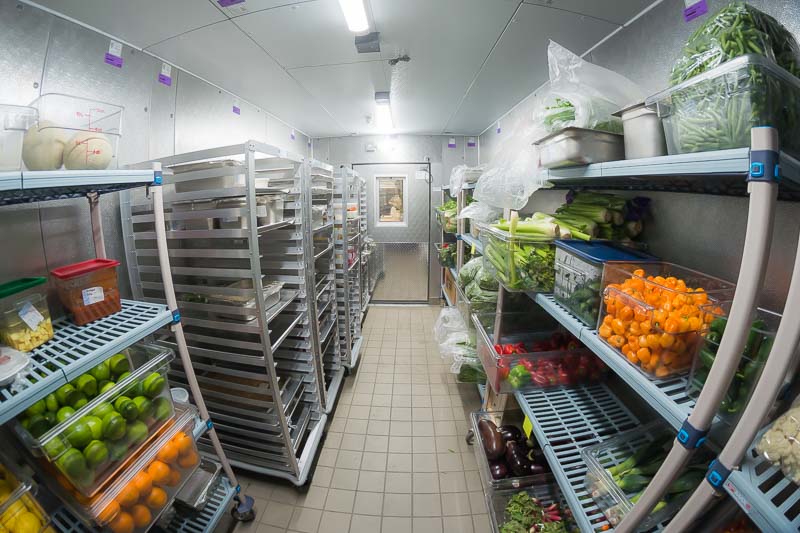
One nuance that catches people off guard is that not all of your walk-in is actually usable. Each of these quietly eats into your net storage:
- Evaporator blower footprint (typically 18 inches of interior depth)
- Shelving and aisle clearance for cart access
- The required 2-inch gap between the unit and any surrounding wall
- Dead corners that can't be efficiently shelved
A 10×12 cooler is not 120 square feet of space to store food. Plan accordingly, and always think long term.
2. Choosing the Wrong Refrigeration Type — or Getting It Backwards
There are two primary refrigeration type configurations to understand:
Self-contained
The compressor, condenser, and evaporator are all in one package, typically top- or side-mounted directly on the unit
Remote
The condenser and compressor live away from the box (rooftop, mechanical room, or outside), connected by refrigerant lines
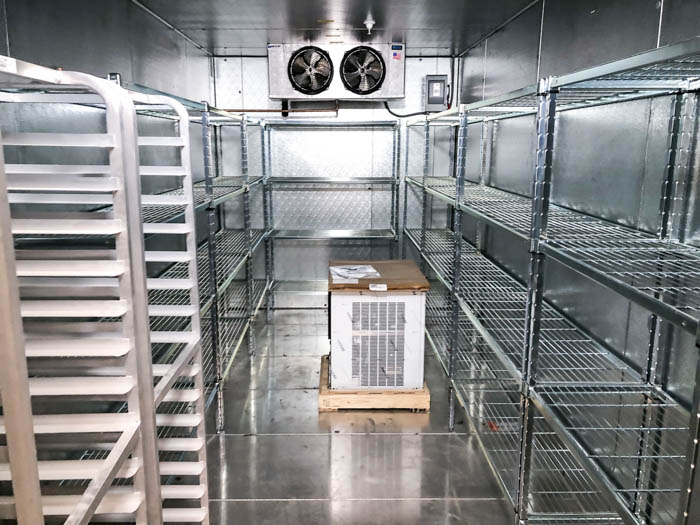
Here's how the refrigeration cycle works in practice: the system uses a liquid refrigerant that absorbs heat inside the cooler as it evaporates, then carries that heat to the condenser where it transfers heat to the outside air. That heat exchange happens right above your walk-in with a self-contained unit — or far away with a remote system. The difference in how that heat lands in your space is significant.
Self-contained systems are simpler and cheaper to install upfront, but they push cool air out into whatever room they're in — and dump heat there too. Put one in a small, busy prep kitchen and you've just made an already hot environment significantly hotter, which directly affects kitchen safety and staff performance.
Remote systems isolate the noise and heat, but the greater the distance between the condenser and the box, the more efficiency you lose — a critical consideration when the mechanical room is far from the kitchen. The right answer depends on your ceiling height, ambient kitchen temperature, and long term energy priorities. Working through these tradeoffs with a foodservice consultant before construction begins prevents expensive surprises.
3. Overlooking Mechanical Ventilation Requirements for Self-Contained Units
This is the mistake that most often surprises architects and general contractors who haven't worked on commercial kitchen projects before. A self-contained walk-in unit requires adequate air space above and around the cooling unit to prevent heat buildup. If the cooler is tucked into a tight alcove — surrounded by walls on three sides, or placed under low ductwork without proper clearance — the refrigeration system will struggle to expel high pressure, high temperature discharge air, and ultimately fail before its time.
The system relies on cool air circulating freely around the unit to remove heat from the condenser coil. Block that airflow and the unit works against itself. If the surrounding space is insufficient, additional mechanical ventilation must be engineered into the plan — and that conversation needs to happen during the architectural design phase, not during equipment installation when it's too late to redesign the space.
A few things to confirm before the layout is locked:
- Minimum clearance above and on all sides of the unit (check manufacturer specs)
- Ceiling height — a side-mount configuration may be required if headroom is tight
- Whether supplemental exhaust ventilation is needed for the room
- Coordination with the HVAC engineer on heat load contributions from the unit
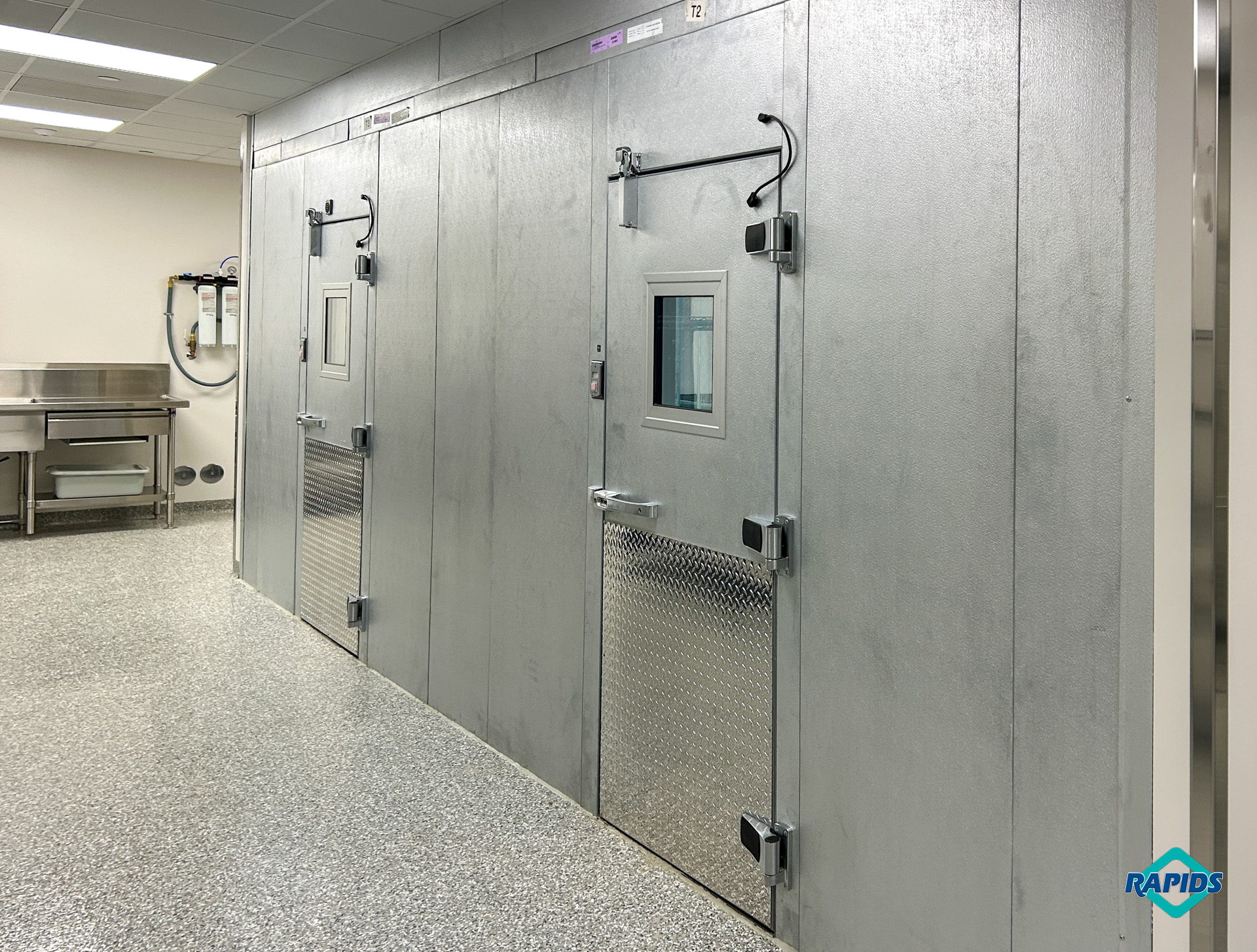
4. Treating the Floor Spec as an Afterthought
The walk-in floor spec is one of the most overlooked elements in a project, and one of the most consequential. Several things go wrong here regularly:
Floor Elevation Mismatch
A well-designed commercial kitchen should have the walk-in floor flush with the kitchen floor. If there's a raised threshold or a step, you've created a trip hazard, a cart-access problem, and a daily frustration for everyone who works in that space. Matching floor elevations and materials is a hallmark of a thoughtfully designed kitchen.
Door Clearance and Thick Tile Floors
If the kitchen floor uses quarry tile or other thick tile-and-grout assemblies, the walk-in door must be specified to accommodate that actual thickness. Doors that aren't sized correctly will drag, fail to seal properly, and let room temperature air infiltrate the box — driving up energy use and putting food safety at risk.
Floor Construction Type
Whether you need a pre-fabricated panel floor or a built-in structural floor depends on the operation. High-traffic environments — heavy carts, regular keg handling, frequent equipment movement — need a floor spec built for that abuse. A standard foamed-panel floor that works fine in a boutique restaurant can fail quickly in a high-volume institutional kitchen.
5. Leaving the Foodservice Consultant Out — or Bringing Them in Too Late
This one is less about a specific technical spec and more about how the project is structured — and it's arguably the most expensive mistake on this list. Walk-in coolers touch nearly every other system in a commercial kitchen: electrical, plumbing, HVAC, fire suppression, and structural. Mis-coordination between these systems is one of the leading causes of cost overruns and construction delays in foodservice projects.
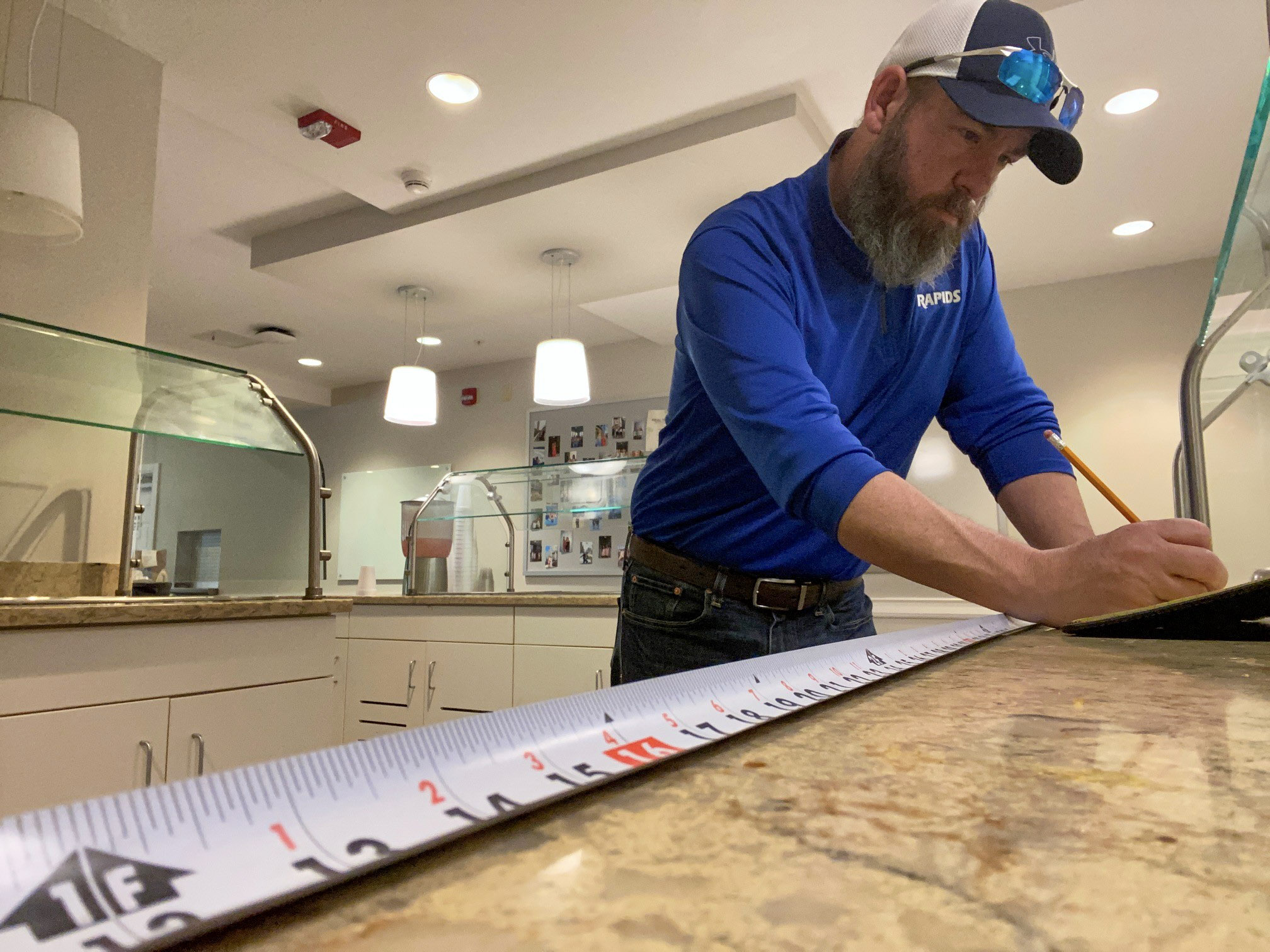
A foodservice consultant's role is to sit at the intersection of all of those disciplines — reviewing the walk-in spec as part of the full kitchen layout, not just as a standalone equipment purchase. In practice, that means:
- Verifying utility rough-ins land in the right locations before the GC frames walls
- Confirming clearances are built into the architectural plan
Ensuring the refrigeration type is appropriate for the mechanical design - Making sure food safety requirements — NSF materials, condensate drainage — are spec'd in from day one, not corrected on the punch list
When this role is engaged late — after the mechanical engineer has drawn the rough-in, or after the GC has framed out the alcove — the result is expensive re-work and compromises that stick around for the life of the kitchen. The best-run projects bring the foodservice consultant in during schematic design, when changes are still low-cost and the team is still problem-solving rather than building.
A walk-in cooler isn't a commodity purchase. It's a long-lived piece of infrastructure that shapes your food safety program, your energy costs, and your team's daily experience in the prep kitchen. Getting the spec right means thinking beyond box size and price — getting the refrigeration type right, planning for mechanical ventilation, nailing the floor spec, and involving a foodservice consultant before the architectural drawings are locked.
If you're in the early stages of planning a new kitchen, remodel, or equipment refresh, the Rapids Foodservice Contract & Design team is here to help. We work with operators, architects, and general contractors across the region to make sure walk-in specs are done right the first time.
LET'S FIND YOUR SOLUTION
Rapids Contract & Design serves the United States with locations in Iowa, Minnesota, and Missouri. Our experts are ready to assist with your foodservice needs—contact us for support, Monday through Friday, 8 AM to 5 PM CST.
or call (800) 899-6604