
More and more schools, businesses, and other facilities are choosing electric kitchens. These kitchens don’t use gas or other fossil fuels. They are safer, cleaner, and better for the environment. Electric kitchens also help buildings move closer to net-zero energy goals, which means they produce as much energy as they use.
What Makes Electric Kitchens Different
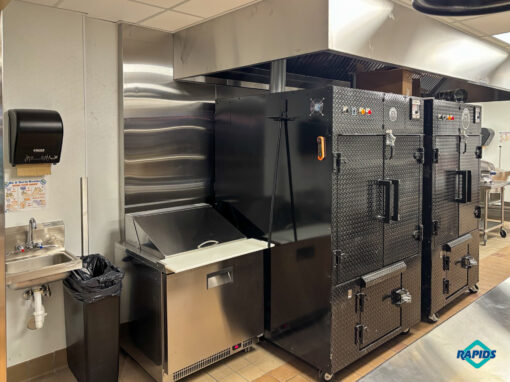
Electric kitchens use modern appliances like induction cooktops, electric convection and combi-ovens. These appliances heat food quickly and cook it evenly. They also allow kitchen staff to control the temperature more precisely, making meals more consistent.
Since there is no gas, electric kitchens improve air quality. Staff and students are not exposed to fumes like carbon monoxide or other pollutants. Maintenance is also easier because electric appliances have fewer parts and no gas lines to worry about.
Electric kitchens also help reduce energy costs. Smart technology can track energy use and adjust it to be more efficient. Over time, this saves money and helps schools and facilities reach their sustainability goals.
Supporting Sustainable Certifications
Electric kitchens can also play an important role in earning LEED certification for building design. By eliminating fossil fuels and improving energy efficiency, they help meet key sustainability benchmarks within the LEED rating system. Facilities that choose electric systems not only reduce their environmental impact but also strengthen their case for green building recognition.
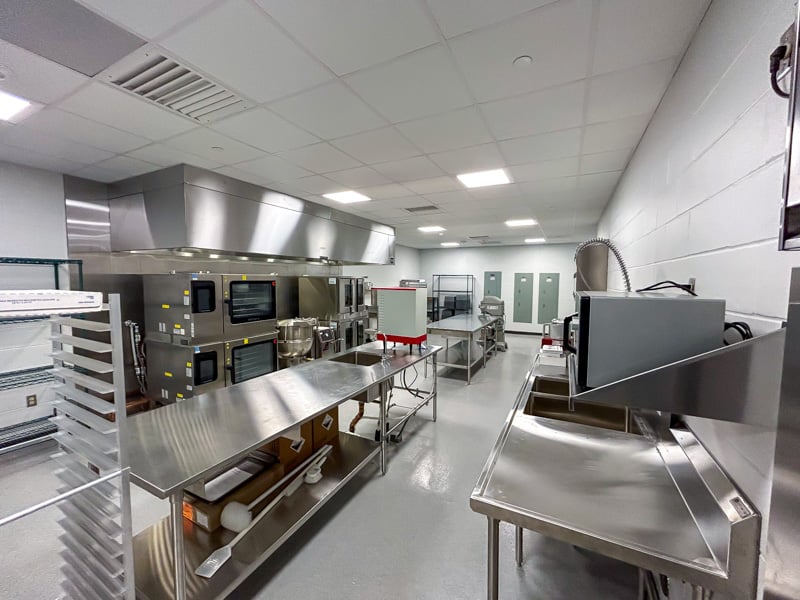
Trailside Elementary School: A Real Example
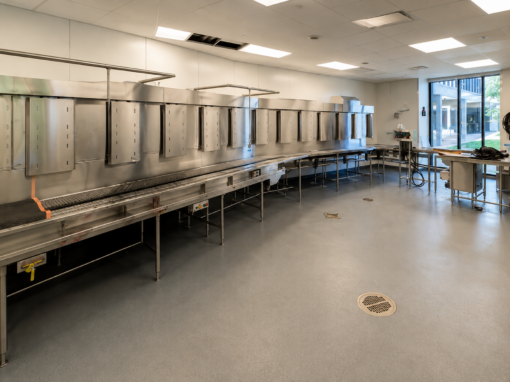
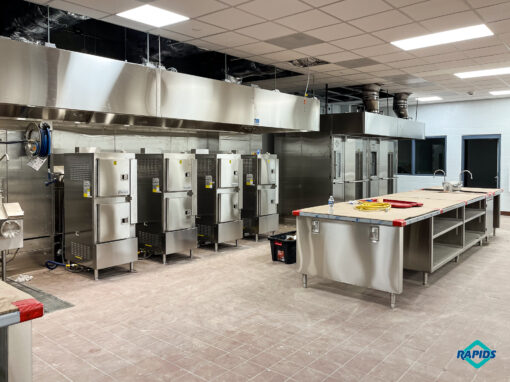
Trailside Elementary School opened in August 2024, serving students from kindergarten through fifth grade. One of the school’s standout features is its all-electric kitchen, designed to be energy-efficient, sustainable, and easy for staff to use. The kitchen uses smart technology to streamline meal preparation, allowing staff to work faster and more efficiently while reducing energy consumption.
This all-electric setup reflects the school’s commitment to sustainability and modern design. Trailside’s kitchen shows that schools can adopt eco-friendly practices without sacrificing performance, providing a practical example for other facilities looking to combine efficiency, safety, and environmental responsibility.
How Electric Kitchens Support Net-Zero Buildings
Electric kitchens are a key part of net-zero buildings. They use electricity instead of gas, and when paired with renewable energy sources like solar or wind, they can dramatically lower greenhouse gas emissions.
Net-zero buildings aim to balance energy use. This means the building produces as much energy as it consumes. Electric kitchens are easier to integrate into these systems because they can use smart energy controls and reduce wasted energy.
Why Going Electric Makes Sense
Switching to an electric kitchen is not just about the environment. It also improves safety, efficiency, and cost savings. For schools, businesses, and commercial kitchens, this practical approach lets facilities go green while keeping operations smooth and reliable:
Safer
No gas leaks or fumes, keeping the kitchen healthy.
Efficient
Heats faster and cooks more evenly for consistent meals.
Easy to maintain
Fewer parts to clean and monitor daily.
Eco-friendly
Reduces carbon footprint and supports sustainability goals.
The Future of Kitchens
Electric kitchens are becoming the standard for sustainable facilities. They combine smart technology, energy efficiency, and safety. They also help facilities achieve their environmental goals, like net-zero energy and reduced carbon emissions.
By making the switch, facilities can save energy, improve indoor air quality, and create a safer, cleaner environment for everyone.
Electric kitchens show that going green doesn’t mean giving up performance. They are the future of foodservice, and projects like Trailside Elementary prove they work in real life.
For more information and to engage with our team, please contact us via our contact form or at (866) 503-2655. We look forward to working with you to provide the best solutions for your needs.
LET'S FIND YOUR SOLUTION
Rapids Contract & Design serves the United States with locations in Iowa, Minnesota, and Missouri. Our experts are ready to assist with your foodservice needs—contact us for support, Monday through Friday, 8 AM to 5 PM CST.
or call (800) 899-6604