Portion control is often viewed as a back-of-house detail, but in reality, it plays a major role in kitchen efficiency, food cost control, and menu consistency. When portions are planned intentionally - based on the menu and supported by the right storage and prep methods - operators gain more control over inventory, labor, and profitability.
Thoughtful portioning doesn’t mean smaller plates or cutting corners. It means using products strategically, reducing waste, and designing a menu that works smarter across multiple dishes.
The Cost Impact of Inconsistent Portions
When portions vary from plate to plate, costs rise quietly but quickly. Even small over-portioning can lead to higher food spend, faster inventory depletion, and unpredictable margins. When every portion is intentional, operators can better forecast usage and avoid surprises at the end of the month.
Consistent portion control helps:
- Stabilize food costs across shifts and locations
- Reduce product waste and over-prep
- Improve ordering accuracy and inventory planning
- Maintain a consistent guest experience
Designing Portions Around the Menu
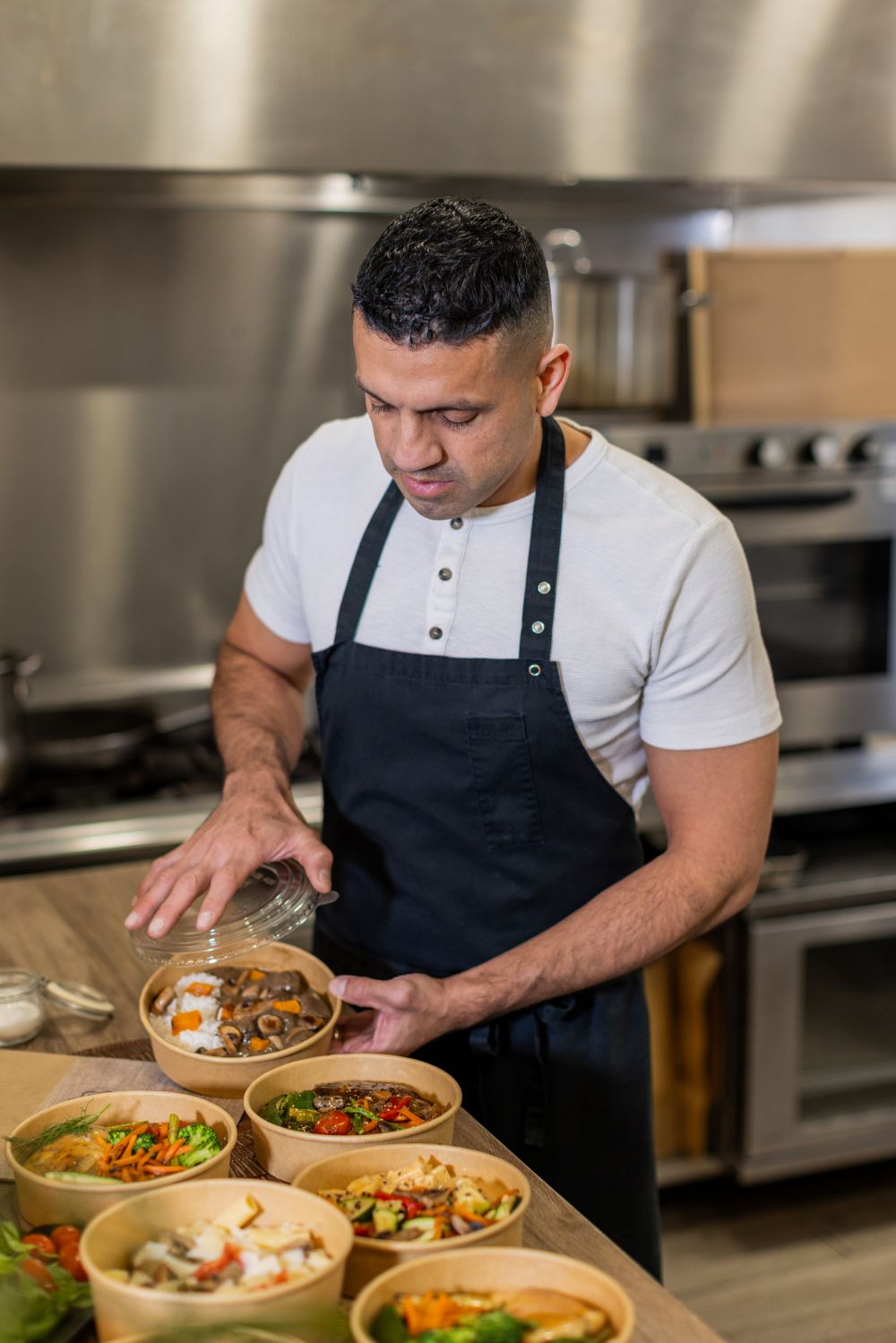
Effective portion control begins at the menu level. Instead of treating each dish as a standalone item, successful kitchens plan for overlap by using the same core ingredients across multiple applications. Proteins can be portioned differently to suit entrées, bowls, salads, or sandwiches, while sauces and dressings can serve as toppings, bases, or sides. Vegetables and other prep items can be prepared once and featured in several menu items, reducing repetitive work and waste.
By standardizing portion sizes for shared ingredients, kitchens simplify prep, reduce SKU counts, and gain operational flexibility, all while maintaining menu variety and consistent quality.
Using One Product Across Multiple Dishes
Cross-utilization is one of the most powerful tools for cost control. When a single product is portioned with intention, it can support several menu items without increasing prep complexity. This approach not only reduces waste but also improves speed and consistency during service.
Smart portioning allows:
- A single protein cut to be used grilled, sliced, or chopped
- Batch-prepped components to serve multiple stations
- Easier staff training with fewer unique prep methods
Portion Control Tools That Improve Efficiency
The right tools make portioning repeatable and reliable. When staff can portion quickly without guessing, service stays efficient and food costs stay in check. Common solutions include:
- Portion control ladles and spoodles
- Measured scoops and cups
- Scales for proteins and high-cost items
- Color-coded tools for different ingredients
Storage Matters More Than You Think
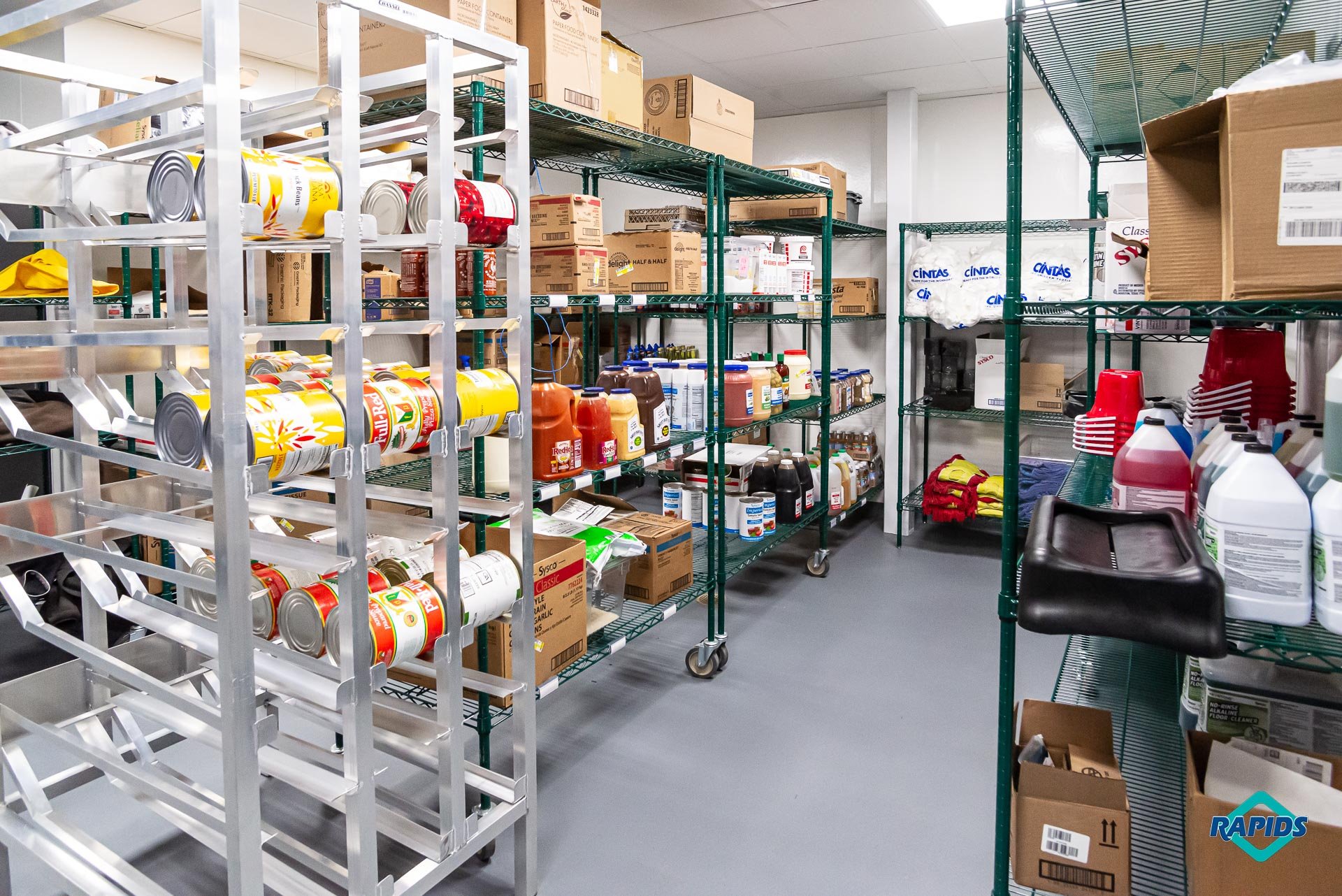
Portion control doesn’t end at prep - it extends into storage. Properly portioned and labeled ingredients are easier to track, rotate, and use correctly.
Effective storage practices include:
- Pre-portioning high-use items for quick access
- Clear labeling with product name and intended use
- Consistent container sizes to match portion standards
- Organized refrigeration and dry storage layouts
When storage supports portion control, kitchens reduce overuse, speed up service, and maintain better product quality.
Efficiency Beyond the Plate
Strong portion control impacts more than food cost. It improves labor efficiency, simplifies training, and supports smoother kitchen workflows. Staff spend less time correcting mistakes or remaking dishes, and managers gain better visibility into product usage.
When portioning aligns with the menu, equipment layout, and storage strategy, the entire operation runs more efficiently.
Why Portion Control Belongs in Kitchen Planning
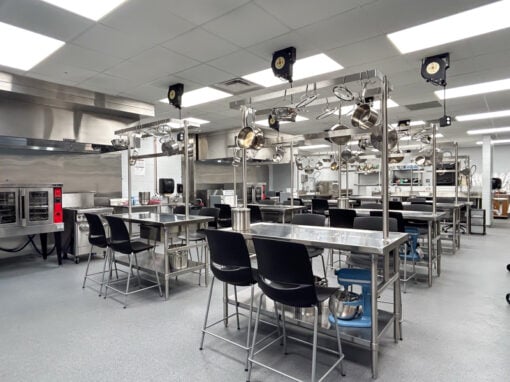
For new builds and renovations, portion control should be considered early in the design process. Prep space, storage layout, and equipment selection all influence how easily a kitchen can maintain consistent portions.
At Rapids Contract & Design, portion control is part of a larger conversation about designing kitchens that support real-world operations - helping teams work efficiently while keeping costs under control.
For more information and to engage with our team, please contact us via our contact form or at (866) 503-2655. We look forward to working with you to provide the best solutions for your needs.


LET'S FIND YOUR SOLUTION
Rapids Contract & Design serves the United States with locations in Iowa, Minnesota, and Missouri. Our experts are ready to assist with your foodservice needs—contact us for support, Monday through Friday, 8 AM to 5 PM CST.
or call (800) 899-6604