
Most people assume kitchen design starts with a floor plan. In practice, the most important work happens well before anyone touches a drawing.
Earlier this year, Chris Simerda - one of our solution engineers out of our Missouri office - wrapped up programming visits at four university housing dining facilities: UNC Raleigh-Durham, Chapel Hill, University of South Carolina-Columbia, and Florida State in Tallahassee. Each one was either headed for a renovation or a new build, and each one needed the same thing first: someone to show up, walk the space, and actually understand how the operation runs before any design decisions got made.
That's the programming phase, and it's where projects either get set up for success or quietly set up for problems down the road. Here's how Chris approaches it - and how our team approaches it across the board.
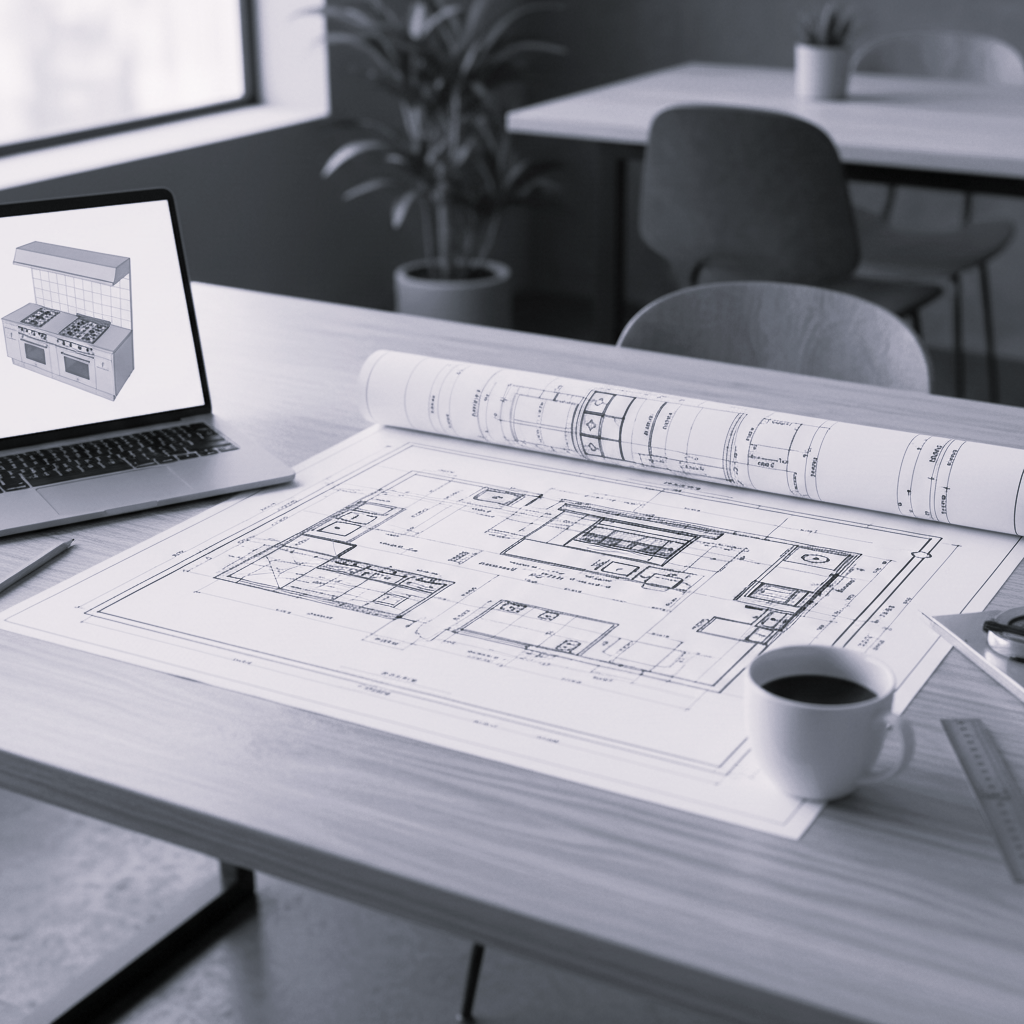
Talking to the people who actually run the place
The first thing Chris does on any site visit is sit down with the managers and directors - the people who show up every day and know exactly where the operation breaks down. No agenda, no assumptions. Just a conversation about how things actually work.
In those meetings, he's typically trying to get a clear picture of:
- How many meals are being served, and when the peak periods hit
- How many staff are on the floor during a typical service
- What the delivery schedule looks like and how food moves through the space
- Where the current workflow breaks down
- What equipment the team likes, what they don't, and what they wish they had
- Where the budget has flexibility and where it doesn't
None of that shows up in existing drawings, and most of it never makes it into a project brief. But it shapes everything that comes after. A kitchen designed without that context might look right on paper and still frustrate the staff who have to use it every day.
Working through what the kitchen actually needs
Once Chris understands how the operation runs, he works through production requirements with the client - what equipment is needed to support the menu and the volume, what can be kept from the existing setup, and what needs to go.
This isn't just a checklist exercise. It's about making sure the final kitchen has the right capacity without overbuilding. Over-specified kitchens waste budget. Under-built kitchens create bottlenecks that show up on day one and never really go away.
On the university projects, this phase covered everything from cooking and refrigeration equipment to beverage service, warming equipment, and specialty stations built around the specific dining program at each school. Every campus had different needs, and the equipment plan reflected that.
Getting the servery right
In residential dining, the servery is where the guest experience either works or it doesn't - and it's one of the areas Chris pays closest attention to during site visits.
The serving line has to function well under pressure. During a packed lunch rush, small design decisions have a big impact: how many hot and cold stations are available, where the beverage station sits, how guests move through the space without creating bottlenecks, and how staff can access the line without getting in anyone's way.
Some of the specific things Chris evaluates during this phase include:
- Number and placement of hot and cold serving stations
- Beverage station location and capacity
- Plate, bowl, and to-go packaging storage
- Guest traffic flow through the servery
- Staff access and movement behind the line
- Presentation and overall guest experience
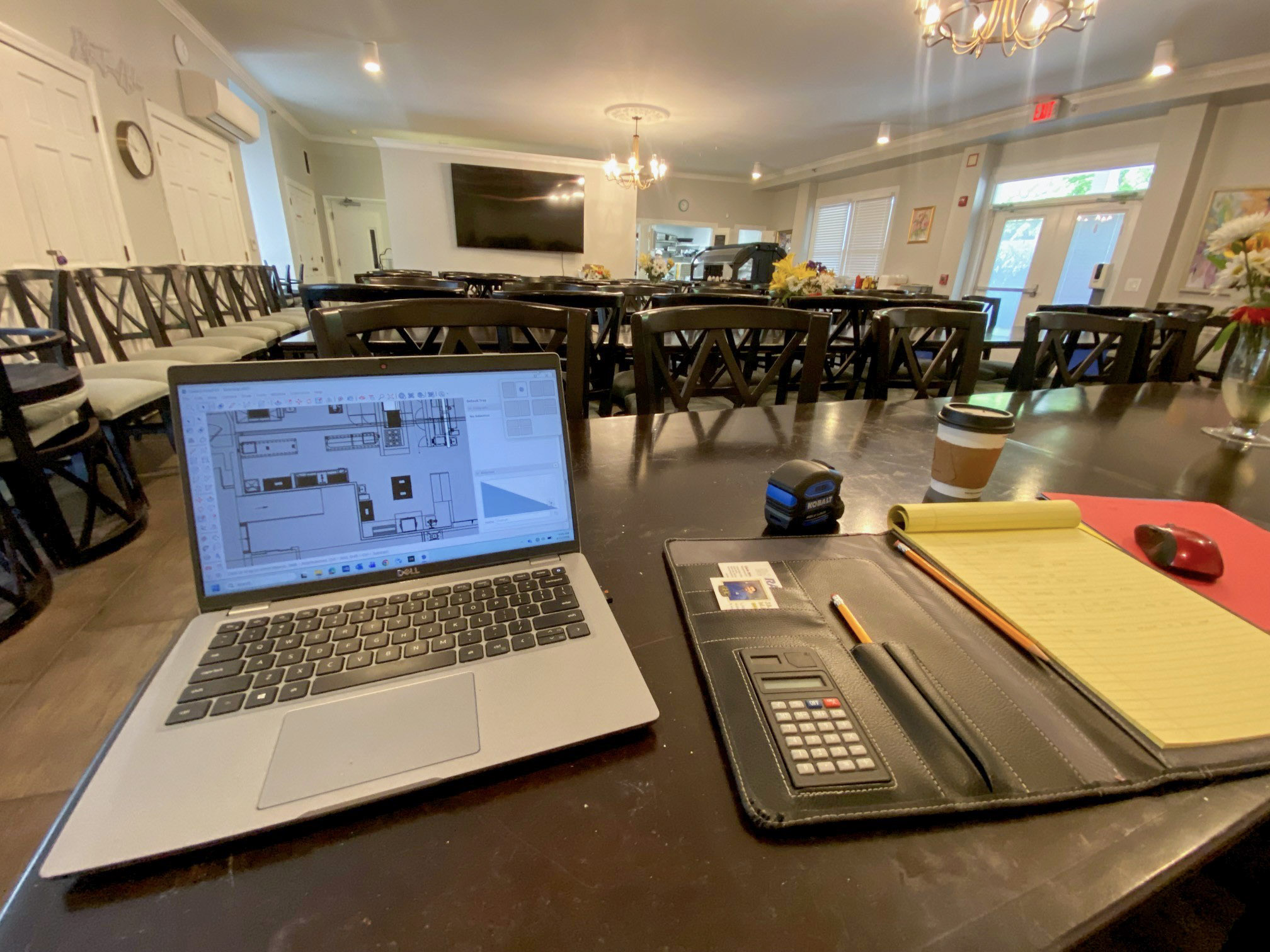
Getting these details right at the programming stage is far less expensive than trying to fix them once construction is underway.
The parts that are easy to underestimate
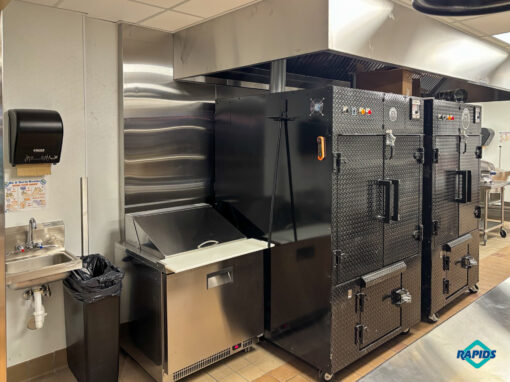
Dishrooms and storage rarely get much attention in early project conversations, but they cause a disproportionate share of operational headaches when they're not thought through properly.
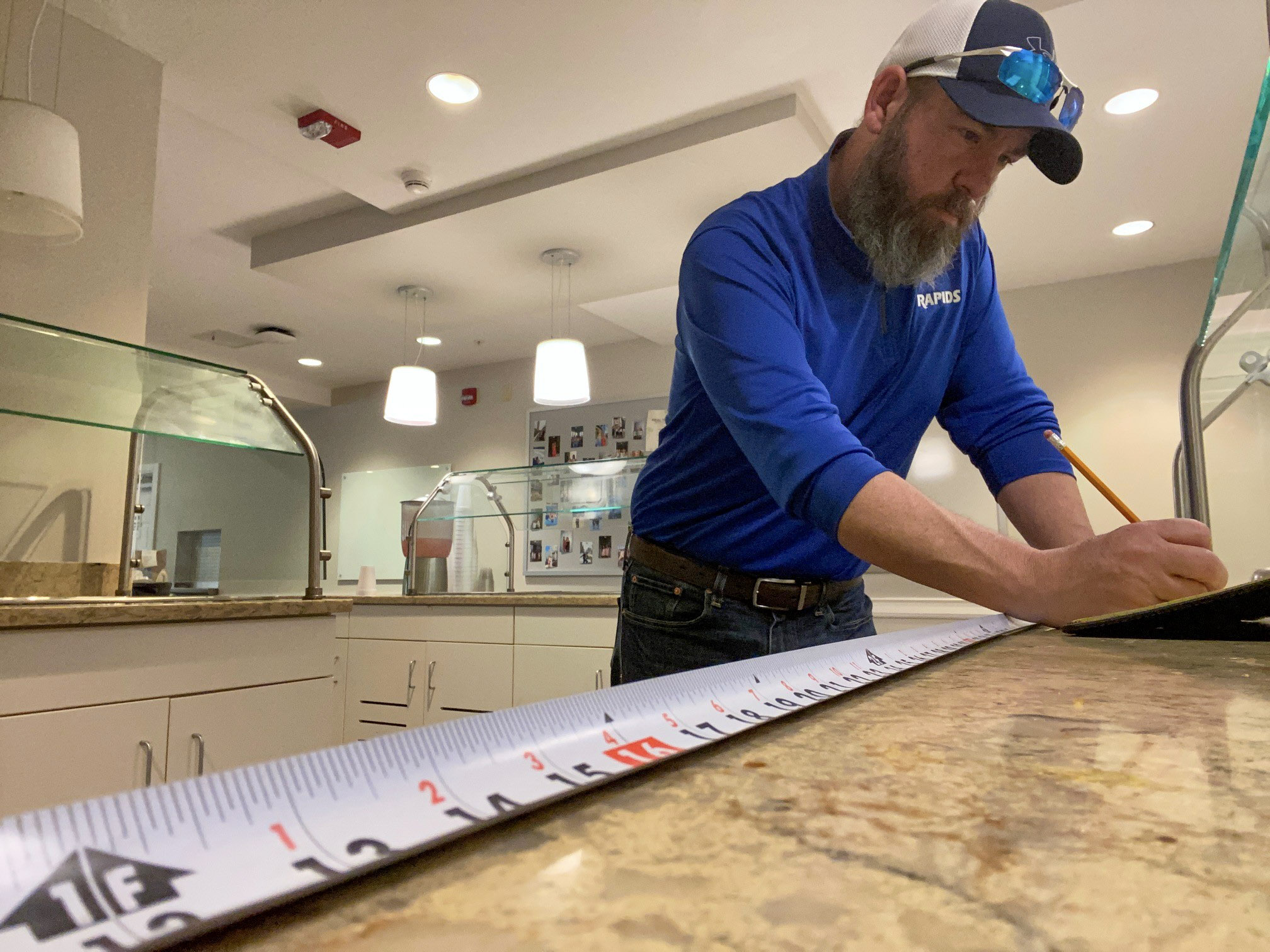
On the dishroom side, Chris looks at how soiled dishes move through the space from drop-off to clean storage — where waste gets handled, how racks flow, what the warewashing equipment actually needs to keep up with volume. A poorly planned dishroom creates congestion, slows down service, and makes an already demanding job harder for staff.
Storage planning is just as important. Chris assesses:
- Walk-in cooler and freezer capacity relative to purchasing volume
- Dry storage shelving and organization
- Delivery frequency and how product moves from receiving to storage
- Hot food staging requirements during service
When storage is undersized for how an operation actually buys and receives food, the kitchen never quite runs the way it should. Fixing it after the fact is costly and disruptive.
Building in code compliance from the start
One of the less visible but critically important parts of Chris's programming work is making sure code and sanitation requirements are accounted for before the design gets going - not treated as an afterthought once the layout is already taking shape.
During each site visit, he identifies the infrastructure that needs to be in the plan from day one:
- Hand sinks positioned correctly throughout the kitchen
- Prep sinks and three-compartment sinks in the right locations
- Mop sinks and utility areas
- Sneeze guards and food protection requirements
- Proper clearances around equipment
- Correct food storage zones
Catching these requirements early prevents costly redesigns later and keeps the project on track for health department approval and smooth inspections.
What comes out of the visit
After each site visit, Chris compiles everything into a detailed programming summary - a practical working document that captures the operational requirements, equipment needs, workflow considerations, and compliance factors that need to drive the design forward. That summary is what the design team works from when schematic layouts begin.
It's not the most glamorous deliverable, but it's the difference between a kitchen designed around real operational needs and one designed around assumptions. When the programming phase is done well, the design team isn't guessing - they're working from a clear, accurate picture of what the finished space needs to do.
The four university projects Chris visited this year are still in early stages, but they're each starting from that solid foundation. And in kitchen design, getting the foundation right is everything.
For more information and to engage with our team, please contact us via our contact form or at (866) 503-2655. We look forward to working with you to provide the best solutions for your needs.


LET'S FIND YOUR SOLUTION
Rapids Contract & Design serves the United States with locations in Iowa, Minnesota, and Missouri. Our experts are ready to assist with your foodservice needs—contact us for support, Monday through Friday, 8 AM to 5 PM CST.
or call (800) 899-6604