
Refrigeration has come a long way since the first experiments with artificial cooling. From early mechanical inventions to the sophisticated, energy-efficient systems used in today’s commercial kitchens, every milestone has helped shape modern foodservice operations. Understanding this history not only highlights how far the industry has come but also why the shift to A2L refrigerants is so important today.

Harry Ribble leaves Pabst Brewery and founds Rapids, inventing and patenting the world’s first direct draw beer dispenser. In the same year, Rapids begins manufacturing commercial refrigeration equipment, including bottle coolers, draft beer coolers, and walk-in coolers, supporting restaurants, bars, and other foodservice operators. Production continued through the mid-1980s as the company expanded its product line.
1/1/25 - After this date, products with high GWP HFCs (>700) cannot be manufactured or imported. 12/31/25 - Last day to install systems that use those high-GWP HFCs, unless all components were made before 1/1/25.
1/1/26
1/1/27-1/1/28
A Journey Through Refrigeration History
Our interactive timeline highlights the key moments in commercial refrigeration, from the first practical machines to the regulations driving modern refrigerant choices. Here’s what each milestone means:
1834 – The First Practical Refrigeration Machine
American inventor Jacob Perkins built the first practical vapor-compression refrigeration machine. Often called the “father of refrigeration,” Perkins’ work laid the foundation for mechanical cooling, setting the stage for breweries, grocery stores, and restaurants to begin using refrigeration in the decades to come.
1880s – Early Commercial Applications
By the late 1800s, refrigeration machines were adopted by breweries, meatpacking plants, and ice production facilities, helping businesses store perishable products more reliably. This era marked the start of refrigeration as a commercial necessity rather than a novelty.
1900s – Refrigeration Enters Restaurants and Stores
Commercial refrigeration units began appearing in restaurants and grocery stores, transforming foodservice and retail operations. Restaurants could now safely store ingredients for longer periods, expanding menu possibilities and improving food safety.
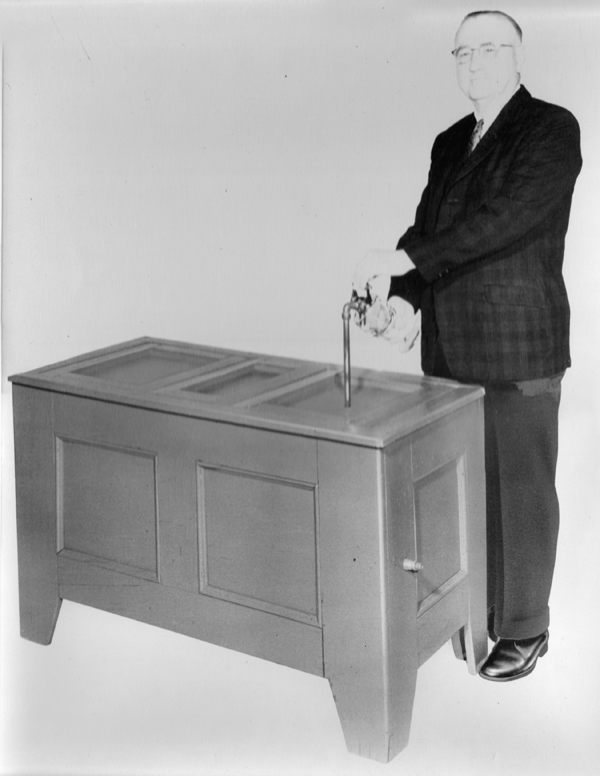
1936 – The Founding of Rapids
Harry Ribble left Pabst Brewery and founded Rapids, inventing and patenting the world’s first direct draw beer dispenser. In the same year, Rapids began manufacturing commercial refrigeration equipment, including bottle coolers, draft beer coolers, and walk-in units. These innovations helped shape modern bar and restaurant operations.
1940s–1950s – Expanding Refrigeration Manufacturing
Rapids continued to expand its refrigeration manufacturing operations, producing durable, reliable equipment for foodservice operators across the U.S.
1987 – Montreal Protocol
The global treaty to phase out ozone-depleting substances (CFCs) marked the start of major regulatory changes that would affect commercial refrigeration for decades.
1990 – U.S. Clean Air Act Amendments
The EPA gained authority to regulate ozone-depleting refrigerants, guiding the industry toward safer, more environmentally responsible alternatives.
1994–1996 – R-12 Phaseout
New commercial refrigeration equipment using R-12 (CFC-12) could no longer be manufactured, and by 1996, production and import of these refrigerants was banned in the U.S. Only recycled or reclaimed refrigerants were allowed for service.
2010 – R-22 Phaseout
New equipment using R-22 (HCFC-22) was prohibited, continuing the industry’s shift toward lower-impact refrigerants.
2015 – SNAP Rules 20 & 21
The EPA began restricting high-GWP HFCs in commercial refrigeration and HVAC applications, pushing operators to explore more climate-friendly options.
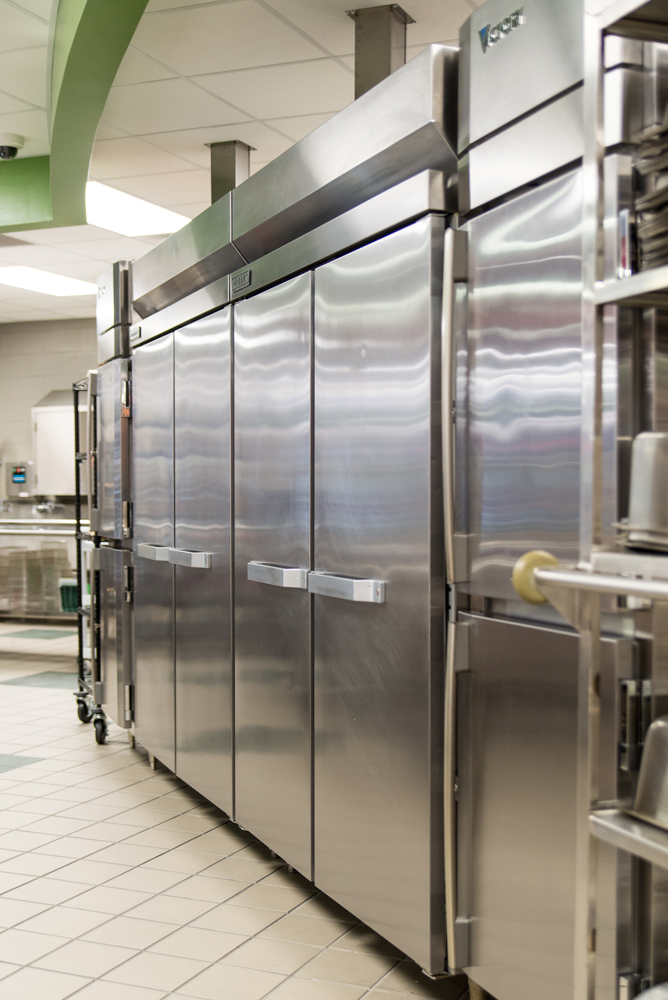
2025–Future – Transition to Low-GWP / A2L Refrigerants
The industry is moving toward low-GWP and A2L-compliant refrigerants for new commercial refrigeration systems. Federal and state regulations are evolving, and while exact deadlines are still pending, the shift is clear: systems using older high-GWP refrigerants will eventually be phased out.
If you’re planning a new project, choosing A2L-ready equipment now is a smart strategy. This approach helps future-proof your kitchen, ensuring compliance with upcoming regulations and avoiding costly equipment replacements later.
For guidance on the best refrigeration options for your project, contact our team for personalized advice.
Why This Timeline Matters for Commercial Kitchens Today
Understanding the history of commercial refrigeration helps operators see why A2L refrigerants are becoming the new standard. These systems offer:
- Lower global warming impact
- Increased efficiency and reduced operating costs
- Enhanced safety features compared to older, high-GWP refrigerants
By planning now, restaurants, bars, and other commercial foodservice operations can stay compliant, reduce emissions, and invest in systems that will perform efficiently for years to come.
At Rapids Contract & Design, our team stays up to date with the latest refrigerant innovations and commercial equipment. We can help you choose A2L-ready refrigeration systems that meet your operational needs while preparing your kitchen for the future.
LET'S FIND YOUR SOLUTION
Rapids Contract & Design serves the United States with locations in Iowa, Minnesota, and Missouri. Our experts are ready to assist with your foodservice needs—contact us for support, Monday through Friday, 8 AM to 5 PM CST.
or call (800) 899-6604