
When you’re opening a restaurant or refreshing your concept, it’s easy to get swept up in the creative side of menu planning. New flavor profiles, trending ingredients, and signature dishes often take center stage in your vision. But before you can wow guests with what comes out of your kitchen, there’s a more practical reality to consider: health codes.
Health and safety regulations aren’t just boxes to check off after you’ve decided what to serve. They shape your menu, your kitchen design, your workflow, and even your staffing needs. Overlooking compliance in the early stages can lead to inspection delays, costly redesigns, or operational inefficiencies that follow you for years.
At Rapids Contract & Design, we help operators bridge the gap between culinary creativity and real-world execution. With team members who’ve worked as chefs and deep expertise in foodservice design, we know how to translate your menu ideas into compliant, profitable operations.
Here’s a deeper look at what operators need to know about health codes and restaurant menu planning - and how getting it right from the start sets you up for long-term success.
Why Health Codes Matter in Menu Development
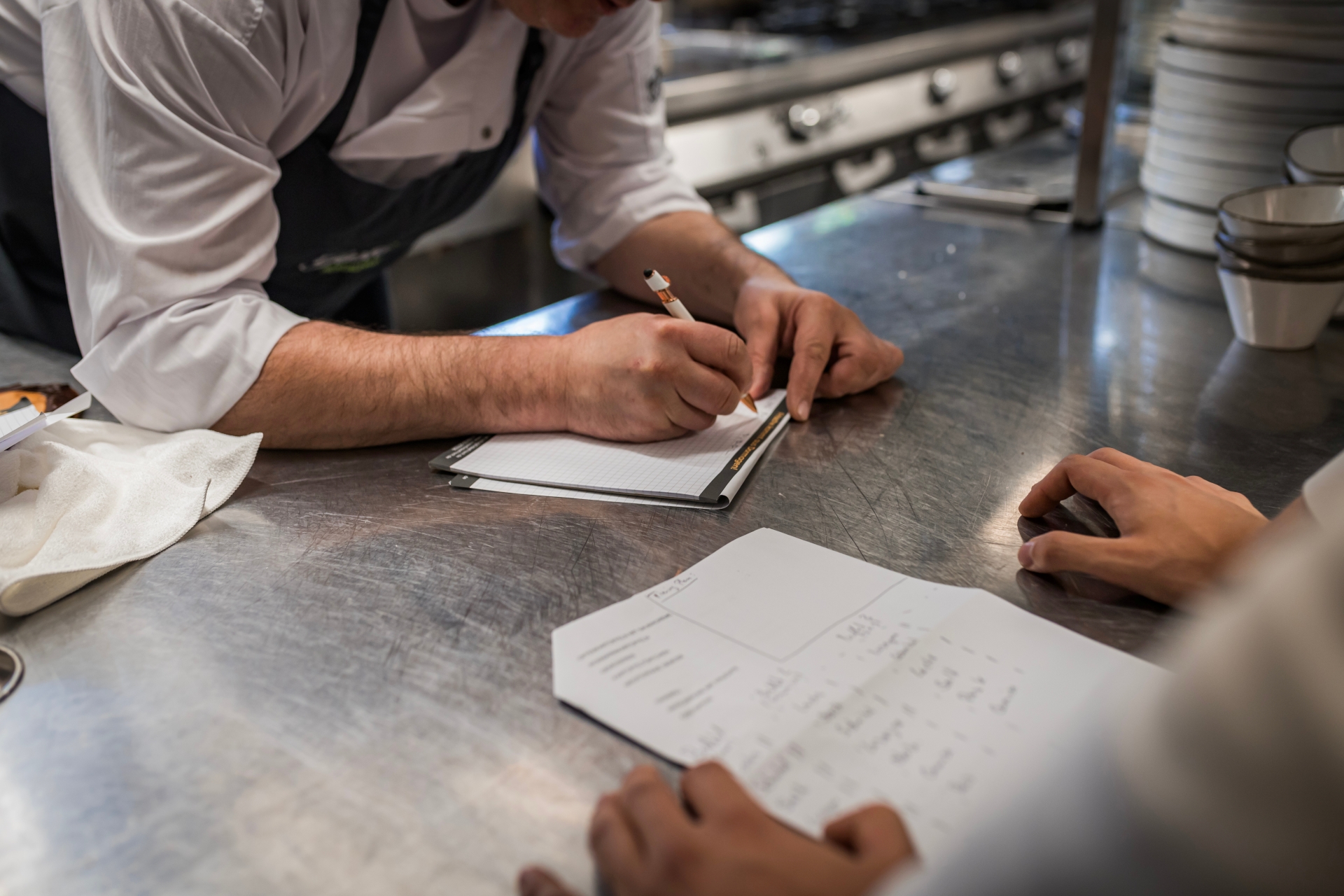
Health codes exist to protect public safety, but for foodservice operators, they’re also the framework that keeps kitchens running smoothly. From how ingredients are stored to how food is cooled and served, codes ensure consistent practices that reduce risk.
Think of it this way: every dish you plan to serve comes with a set of behind-the-scenes requirements. Raw chicken doesn’t just require a recipe - it requires cold storage at a specific temperature, designated prep space to avoid cross-contamination, and precise cooking equipment to meet safety standards.
By integrating health code requirements into menu planning early, you:
- Avoid costly last-minute changes to equipment or layout.
- Build staff workflows that are realistic and repeatable.
- Pass inspections with fewer surprises.
- Reduce liability and safeguard your brand reputation.
Key Health Code Considerations in Menu Planning
1. Ingredient Handling and Storage
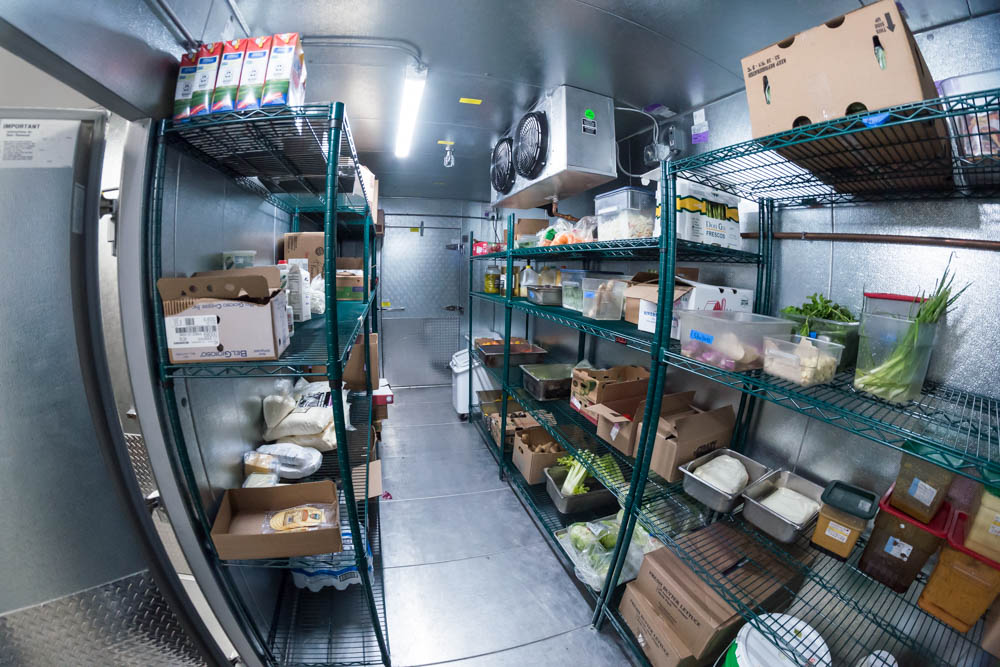
Different ingredients come with different rules. Proteins, dairy, fresh produce, and dry goods all have unique storage and preparation requirements. For example:
- Proteins may need separate cold storage zones.
- Leafy greens require dedicated washing sinks.
- Allergen-sensitive foods should be stored in designated areas.
By mapping out ingredient needs during menu planning, you ensure your kitchen layout can support proper handling without cutting corners.

2. Kitchen Equipment and Workflow
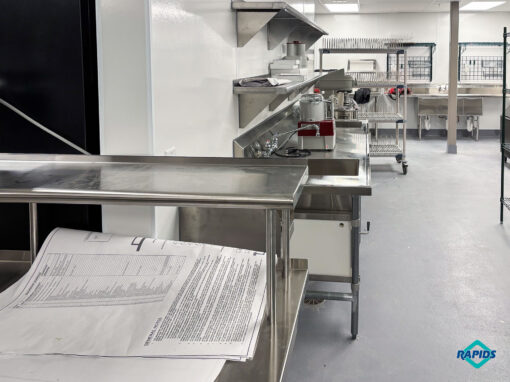
Your menu drives your equipment list. Serving fried foods means fryers and ventilation. Offering wood-fired pizza means specialized ovens and prep stations. But codes influence how that equipment is installed and used:
- Placement matters - certain sinks must be within reach of prep stations.
- Ventilation must meet local safety standards.
- Equipment must be NSF-certified for food safety.
A compliant workflow doesn’t just keep inspectors happy; it keeps staff efficient. Stations arranged with safety and compliance in mind prevent cross-contamination while streamlining service.
3. Allergen Management and Labeling
Allergens are one of the fastest-growing compliance concerns. Many states now require operators to label allergens clearly on menus or follow strict handling procedures in the kitchen.
This planning step protects guests and builds trust - a critical factor in customer loyalty. If your menu features common allergens (milk, eggs, nuts, shellfish, soy, wheat), you’ll need:
- Staff training on cross-contact prevention.
- Designated prep and storage areas.
- Clear communication to guests.
4. Portioning and Temperature Control
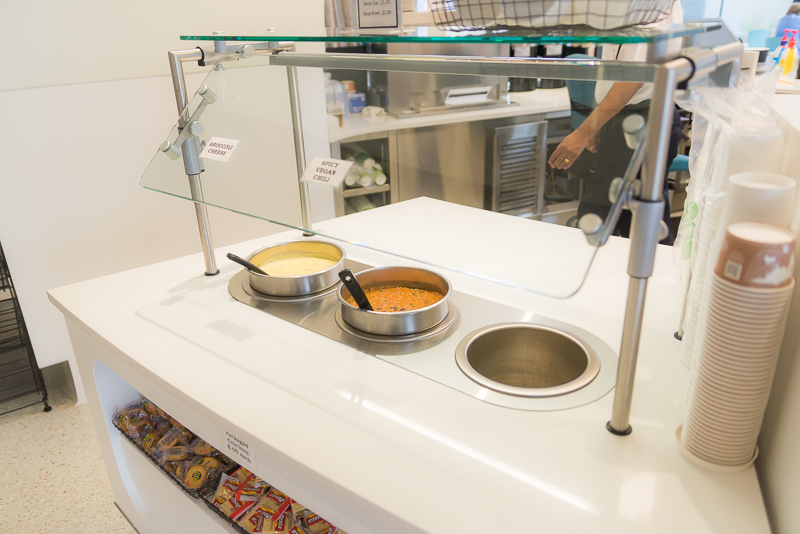
Health inspectors focus heavily on food temperatures and portioning practices. Your menu should account for how each item will be cooked, held, cooled, and served:
- Hot holding: Items like soups or sauces must be kept above 135°F.
- Cold holding: Salads, sushi, and desserts often require refrigeration under 41°F.
- Cooling standards: Large-batch items like chili or rice must cool within a set timeframe.
Portioning is also about consistency. A compliant process ensures every guest receives a safe portion while keeping food costs predictable.
5. Waste Management and Sanitation
Some menus produce more waste than others. For example, seafood shells, fryer oil, or fresh juice pulp require specific disposal systems. Planning for waste management ensures you meet sanitation codes while keeping back-of-house workflows clean and efficient.
Common Pitfalls Operators Face
Even experienced operators can stumble if compliance isn’t built into menu planning early. Here are three pitfalls we see often:
- Adding menu items after design is complete. A new dish may require equipment or storage you didn’t plan for.
- Underestimating space needs. Storage, prep, and sanitation zones often require more room than expected.
- Forgetting about volume. A menu that works for a test kitchen may not scale when serving hundreds of covers per night.
By addressing these early, operators save thousands in retrofits and avoid frustrating delays.
How Rapids Contract & Design Supports Menu Compliance
At Rapids, we don’t write menus - but we ensure your menu can be executed safely, efficiently, and profitably. We bridge compliance, design, and operations to support your culinary vision and help your concept succeed from day one. Our team, including members with chef experience, helps you:
- Anticipate health code requirements and design accordingly
- Plan workflows so staff can prep, cook, and serve efficiently
- Align equipment with menu needs while meeting compliance standards
- Map ingredient costs, sourcing strategies, and portion planning to protect profitability
Menu planning isn’t just about flavor - it’s about building a concept that works for your guests, staff, and bottom line. By integrating health codes early, you avoid costly surprises, streamline operations, and create a foundation for lasting success.
At Rapids Contract & Design, we partner with operators to turn vision into reality. From menu consulting to kitchen design and workflow planning, we help build foodservice operations that are compliant and profitable.
Ready to start your next concept the right way? Contact Rapids Contract & Design today.
LET'S FIND YOUR SOLUTION
Rapids Contract & Design serves the United States with locations in Iowa, Minnesota, and Missouri. Our experts are ready to assist with your foodservice needs—contact us for support, Monday through Friday, 8 AM to 5 PM CST.
or call (800) 899-6604