
Restaurant aesthetics are about far more than visual appeal. They shape first impressions, influence how long guests stay, and quietly support how efficiently a space operates. From the moment someone walks through the door, design choices begin telling a story - about the brand, the concept, and the experience they can expect.
Every element, from the color palette and material selections to lighting temperature and tabletop details, plays a role in how the space feels and functions. When these decisions are made intentionally, the result is a restaurant that feels cohesive, welcoming, and thoughtfully designed—one where visual identity and operational needs work together rather than compete.
1. Start With a Clear Concept
Aesthetic decisions should always begin with the restaurant’s core concept. Is the space meant to feel casual and energetic, refined and intimate, or modern and minimal? Defining this early creates a foundation that guides every visual choice that follows, from layout and materials to lighting and furnishings. Without a clear concept, design decisions can easily feel disconnected or overly layered.
When the concept is well defined, materials, colors, and finishes feel intentional rather than decorative. Each element has a purpose and contributes to a unified experience for guests. A clear concept also supports long-term consistency, making it easier to adapt the space, refresh finishes, or expand branding in the future without losing the identity of the restaurant.
2. Visual Identity and Branding
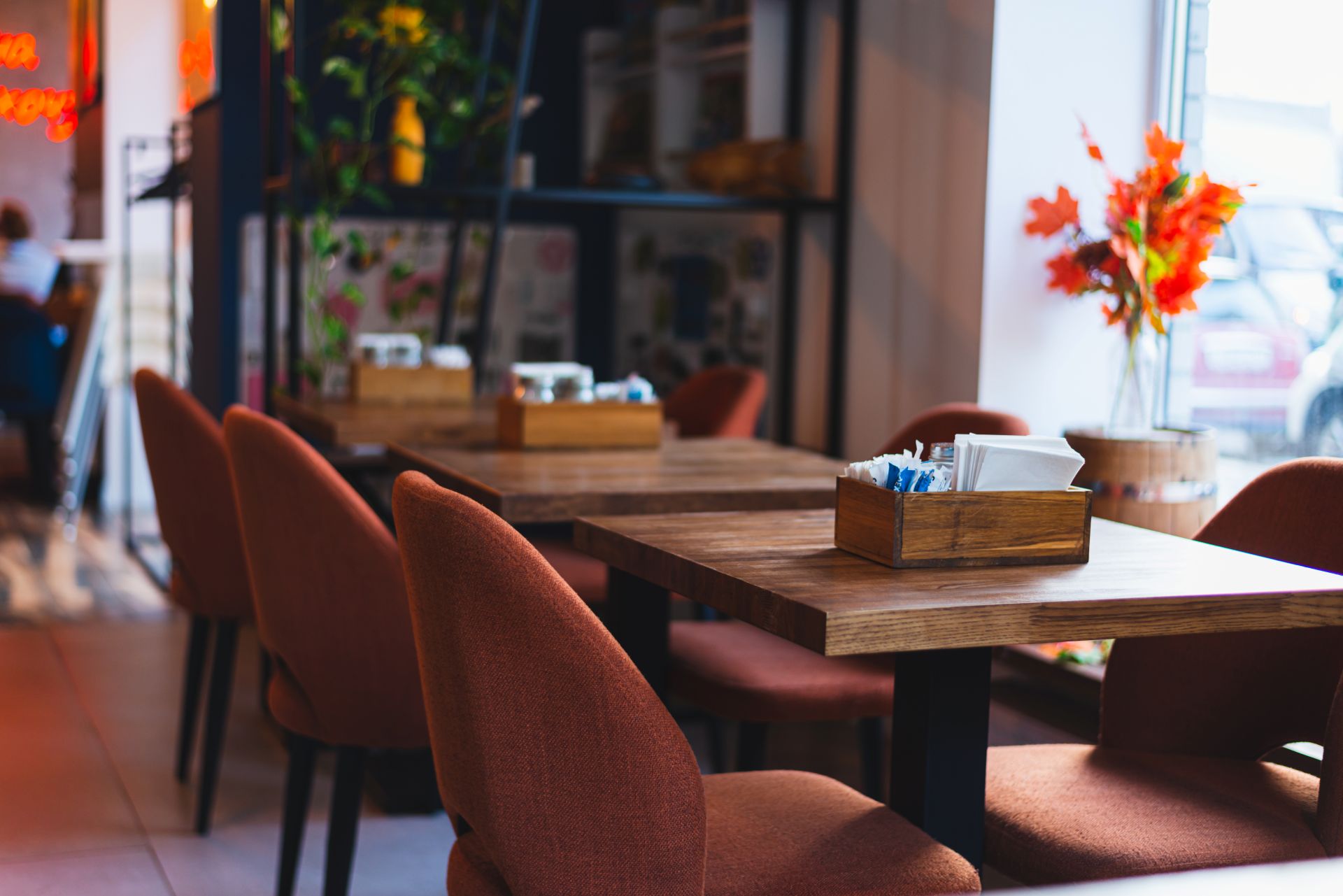
Branding in a physical space goes beyond logos and signage. It’s reflected in textures, finishes, and repetition of design elements throughout the restaurant. Consistent materials, accent colors, and surface finishes reinforce brand recognition without overwhelming the space.
Subtle repetition - such as metal finishes on fixtures matching bar details or wood tones echoing across furniture and wall features - creates a sense of unity guests may not consciously notice but will feel.
3. Choosing the Right Color Palette
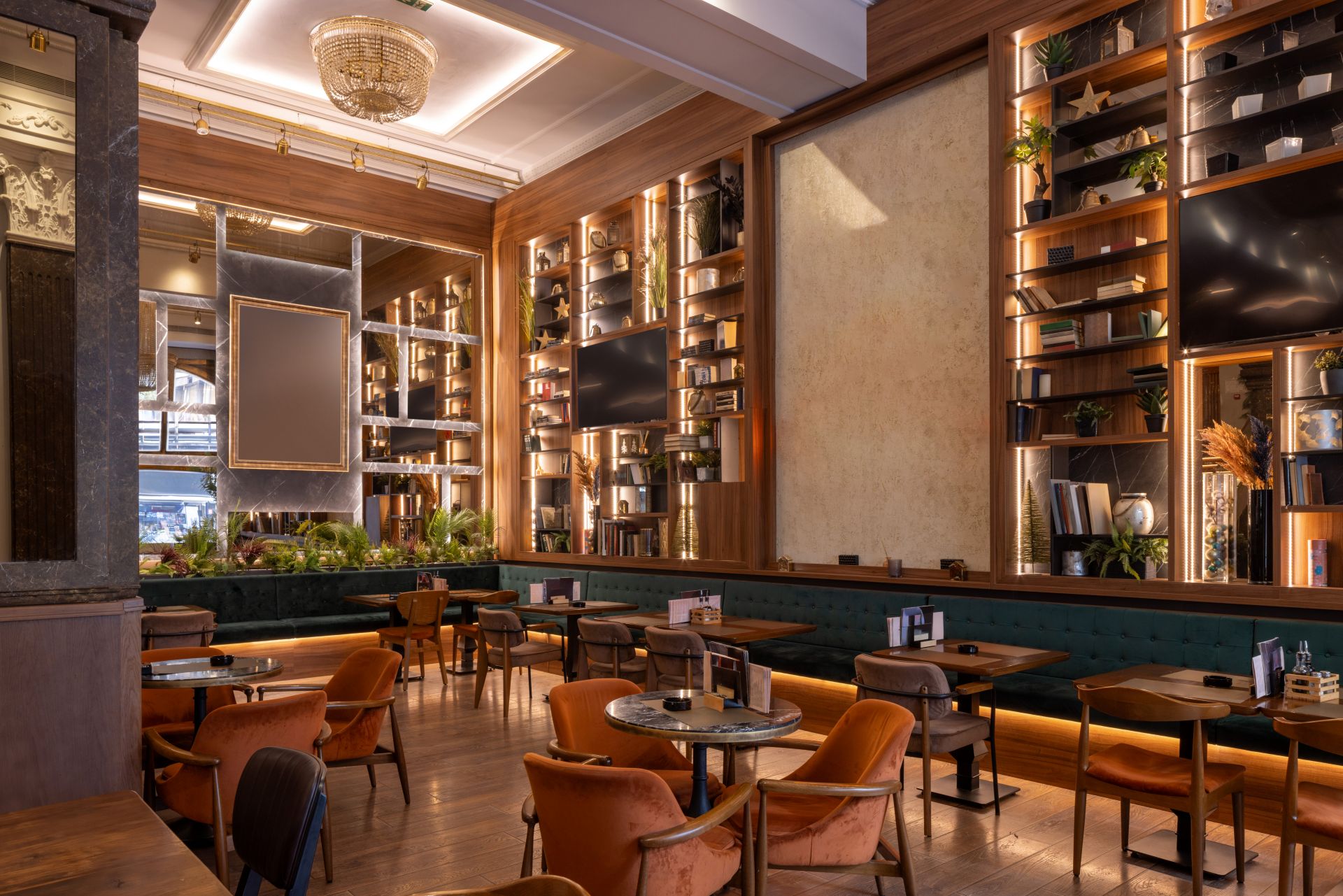
Color sets the emotional tone of a restaurant. Lighter palettes often feel open, clean, and energetic, while darker tones create warmth, intimacy, and focus. Neutral bases paired with controlled accent colors tend to age better and allow flexibility for future updates.
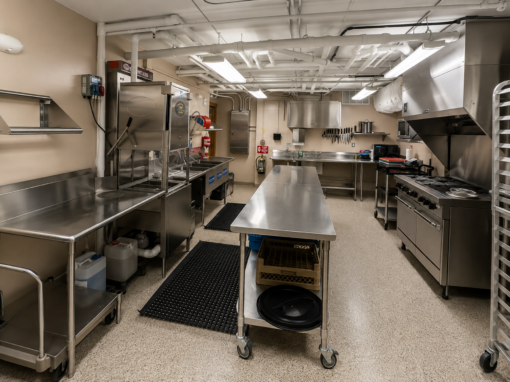
In back-of-house areas, color choices also support cleanliness and visibility. In front-of-house spaces, the palette should support the dining experience without distracting from the food or conversation.

4. Fabrics and Upholstery Selections
Fabrics play both a visual and functional role. Upholstery and textiles should align with the concept while also standing up to heavy use and cleaning requirements. Smooth, durable fabrics are often easier to maintain, while textured materials can add warmth and depth when used selectively.
Color and texture choices should complement the overall palette and furniture design without introducing unnecessary visual noise.
5. Wood Choices and Natural Materials
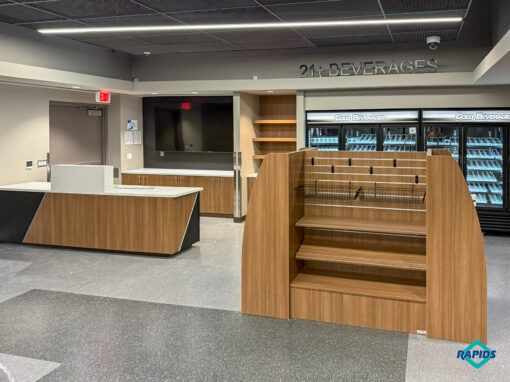
Wood brings warmth and character to a space, but the species, finish, and placement matter. Lighter woods often feel modern and approachable, while darker finishes create richness and contrast. Repeating wood tones across tables, wall accents, or bar fronts helps establish visual flow.
Mixing too many wood types can feel unplanned, so limiting selections keeps the space cohesive and timeless.
6. Lighting: Setting the Mood
Lighting defines how a space feels at different times of day. Bright, clean lighting supports visibility, efficiency, and an open atmosphere. Dimmer, warmer lighting creates intimacy and encourages guests to linger.
Layered lighting - combining ambient, task, and accent lighting - offers flexibility and control. This approach allows the restaurant to shift mood without changing the design itself.
7. What Goes on the Table Matters
Tabletop choices are often overlooked, yet they are one of the most visible design elements guests interact with. Plate color, glassware style, flatware finish, and even menu materials should align with the restaurant’s aesthetic.
A clean tabletop allows food to stand out, while thoughtful details elevate the dining experience without cluttering the table or complicating service.
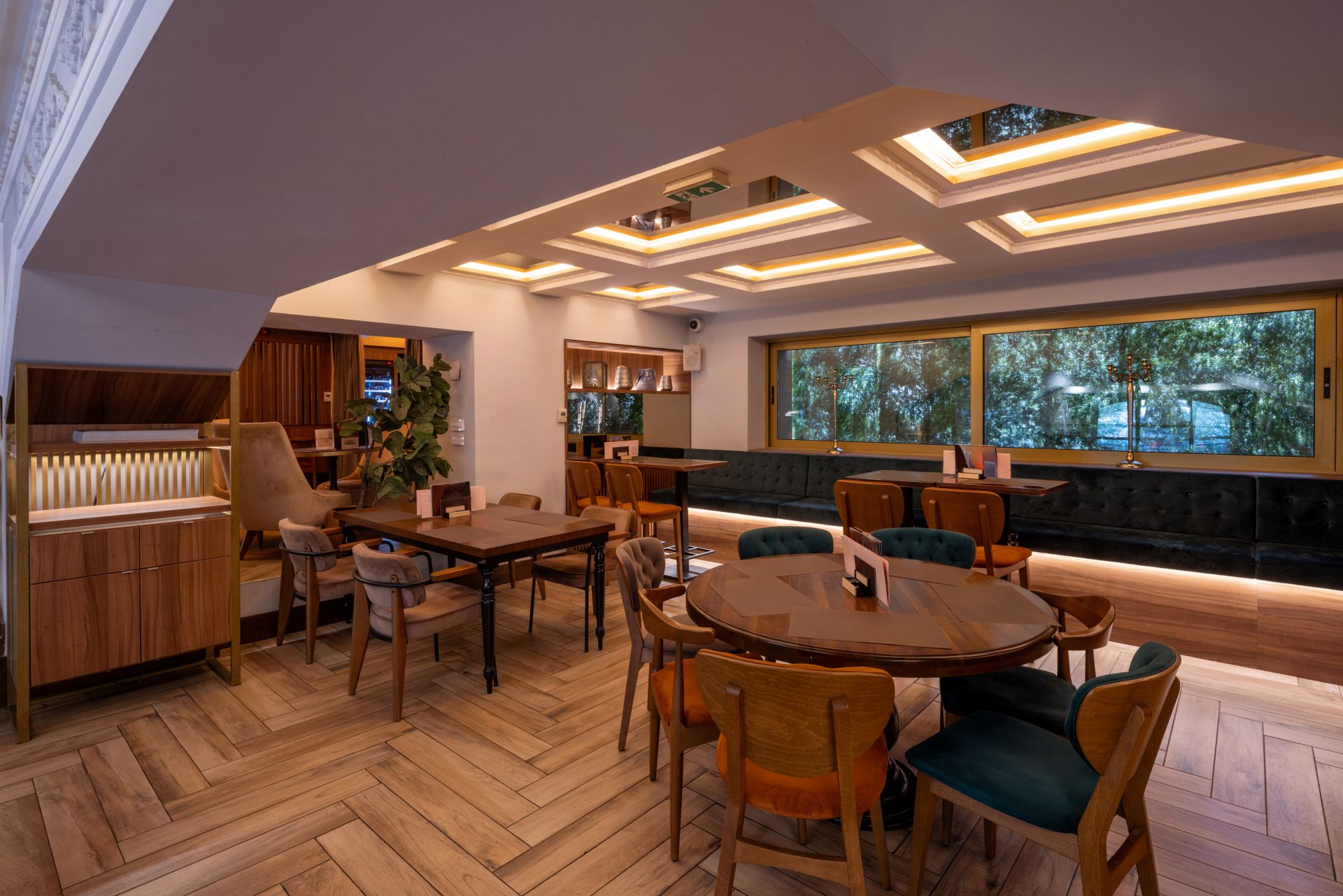
Successful restaurant aesthetics don’t rely on individual design trends. They come from intentional decisions that support the concept, brand, and daily operation. When visual elements work together - from lighting and materials to tabletop details - the space feels effortless, functional, and memorable.
At Rapids Contract & Design, aesthetic planning is always paired with operational insight, ensuring spaces look great and work even better.
For more information and to engage with our team, please contact us via our contact form or at (866) 503-2655. We look forward to working with you to provide the best solutions for your needs.
LET'S FIND YOUR SOLUTION
Rapids Contract & Design serves the United States with locations in Iowa, Minnesota, and Missouri. Our experts are ready to assist with your foodservice needs—contact us for support, Monday through Friday, 8 AM to 5 PM CST.
or call (800) 899-6604