
Opening a restaurant demands decisions on every front - concept, menu, staffing, branding. Yet when it comes to the physical space, some of the most consequential choices are made too quickly, too late, or without the right expertise involved.
The cost of those oversights rarely shows up during construction. It shows up on a busy Friday night, when the kitchen can’t keep pace, the noise level is unbearable, and the service flow breaks down.
These are the design considerations that come up again and again - the ones owners wish had been on the table from day one.

Start With the Kitchen, Not the Dining Room
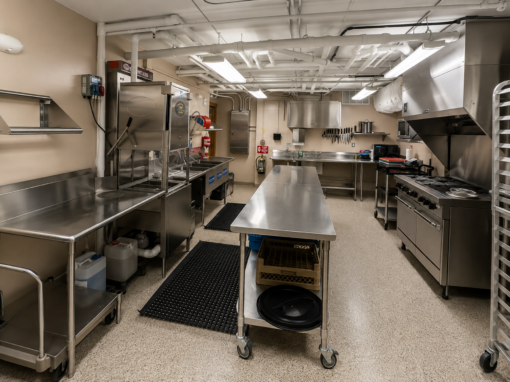
It’s natural to lead with what guests will see. The atmosphere. The lighting. The materials. But experienced operators know the kitchen should drive every design decision that follows.
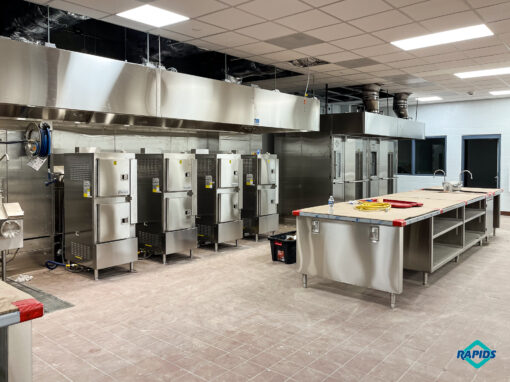
Equipment placement, ventilation requirements, utility hookups, and workflow efficiency all have direct consequences for the front of house. A kitchen designed as an afterthought creates bottlenecks no amount of great service can fully overcome.
Before any floor plan is finalized, your kitchen layout needs to be reviewed by someone who understands both design and foodservice operations - not just one or the other.
Traffic Flow Is a Design Problem
How do guests move from the entrance to their seat? How does staff navigate the floor during a full Saturday service? These are spatial questions that need to be answered on paper before construction begins.
Poor traffic flow leads to:
- Congestion at entrances and service stations
- Slower ticket times during peak hours
- A dining experience that feels disjointed, even when the food is excellent
The best restaurant layouts anticipate movement - of guests, of staff, of product - and build clear, logical paths for each.

Acoustics Come Last. Complaints Come First.
Noise is one of the most consistent guest complaints in the industry. Yet acoustic planning rarely receives the same attention as finishes or lighting during the design phase.
Hard surfaces are popular for a reason - concrete floors, exposed ceilings, and glass partitions photograph beautifully. But they create environments where conversation becomes a strain.
Thoughtful acoustic design doesn’t require sacrificing aesthetic. It requires planning for it early, before walls are built and materials are locked in. Once construction is complete, the options become expensive and limited.
Design for Where You’re Going, Not Just Where You’re Starting
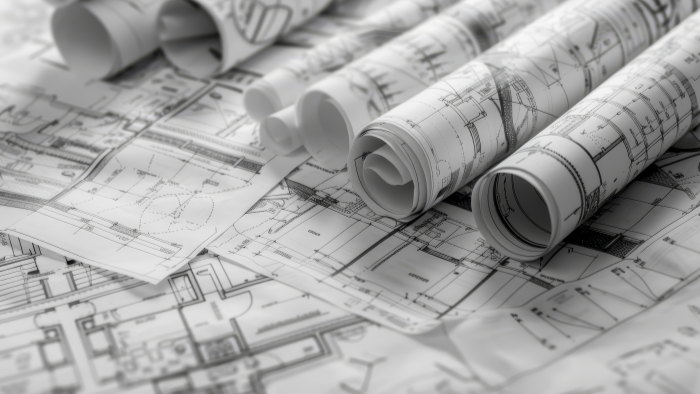
A layout that works perfectly at 80 covers may become a constraint as the business evolves. Owners who plan for adaptability are better positioned to grow without costly renovations down the line.
Consider building in flexibility for:
- Private or semi-private dining as demand increases
- A bar or beverage program that expands over time
- Additional seating - indoor or outdoor
- Updated equipment without major infrastructure changes
Modular furniture, scalable utility infrastructure, and thoughtful spatial planning all make future changes significantly easier and less expensive.
Compliance Should Shape the Design - Not Interrupt It
ADA accessibility, health department standards, fire egress requirements - these are non-negotiable. Discovering them late in the design process is where budgets get derailed.
Owners who work with experienced contract and design partners from the start avoid the costly scenario of reworking completed plans to meet code. Compliance isn’t a final checklist. It’s a design input.
The Details That Define Guest Experience Are Set Early
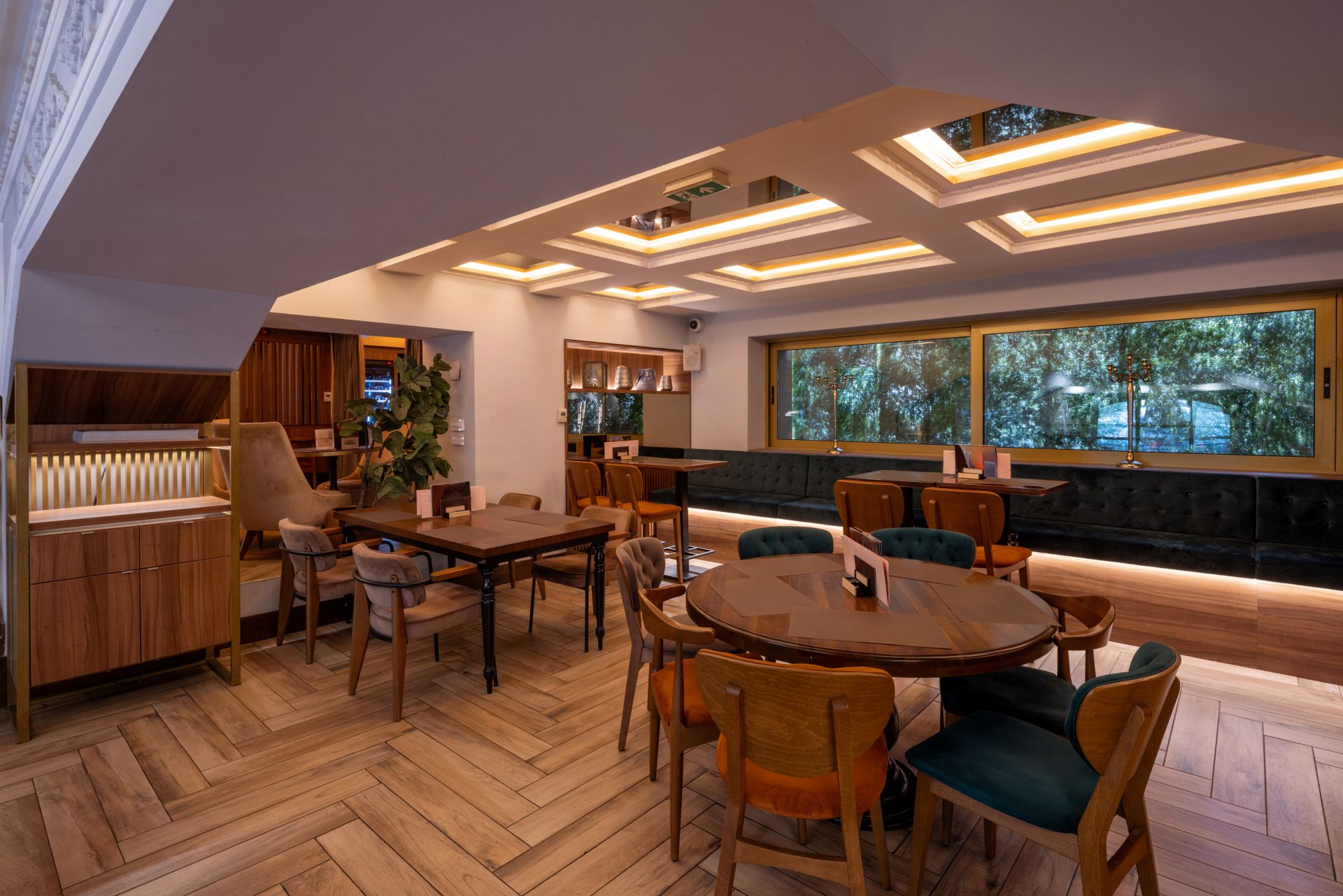
Some of the most impactful design decisions involve elements guests may never consciously notice - but will absolutely feel.
- Lighting levels at the table
- Booth height and seat depth
- Spacing between covers
- Placement of service stations relative to the kitchen
- Sight lines from every seat in the room
These details are determined during the design phase. Once construction is complete, changing them ranges from inconvenient to prohibitively expensive. Owners who take time to work through these specifics before finalization consistently report greater satisfaction with the result.
The Common Thread: Timing
The decisions that prove most costly are rarely wrong ideas. They are right ideas that arrived too late in the process to be properly executed.
Working with a contract and design partner who understands the restaurant industry means these considerations are built in from the start - not retrofitted after the fact.
At Rapids Contract, we bring together design expertise and deep foodservice knowledge to help owners think through every dimension of their space before it’s fixed in place. If you’re planning a new restaurant or a renovation, the best time to start these conversations is before the design is finalized.
For more information and to engage with our team, please contact us via our contact form or at (866) 503-2655. We look forward to working with you to provide the best solutions for your needs.
LET'S FIND YOUR SOLUTION
Rapids Contract & Design serves the United States with locations in Iowa, Minnesota, and Missouri. Our experts are ready to assist with your foodservice needs—contact us for support, Monday through Friday, 8 AM to 5 PM CST.
or call (800) 899-6604