
When people think about opening a restaurant or planning a new kitchen, the focus usually falls on equipment, layout, and the excitement of building a menu. But one of the biggest influences on day-to-day success isn’t a piece of equipment at all - it’s how the menu is sourced and how ingredients move through the kitchen.
Your menu isn’t just a list of dishes.
It’s an operational roadmap.
And without the right sourcing strategy or logistical planning, even a well-built kitchen can struggle.
Why Menu Sourcing Matters When You’re Planning a Project

Reliable sourcing affects everything from food costs to prep time to storage needs. A menu built around hard-to-find products, unstable vendors, or fluctuating prices can quickly push a kitchen off course.
Good sourcing supports a smoother operation by helping you:
- Keep food costs predictable
- Reduce delivery issues and shortages
- Match your storage space to what you actually order
- Keep prep and cooking workloads consistent
When sourcing is considered early - before the kitchen layout is finalized - you gain a better understanding of what your operation really needs.
Menu Logistics: The Behind-the-Scenes Factor Most People Miss
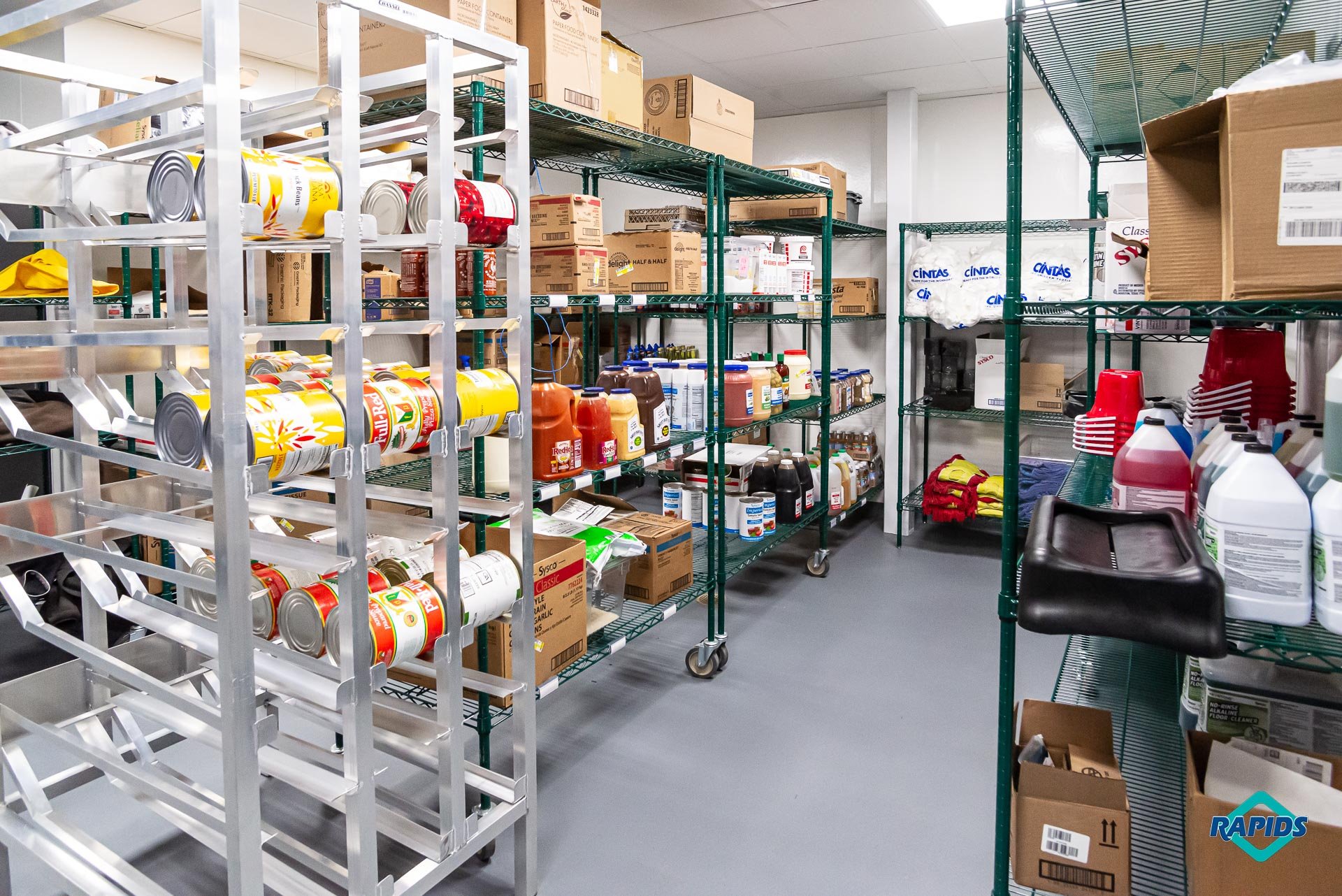
Menu logistics include how ingredients arrive, how they are stored, and how they move through prep before they ever reach the cookline. This is one of the least discussed, yet most critical, parts of planning a restaurant kitchen.
Poor menu logistics can lead to:
- Walk-ins that are constantly overcrowded
- Delivery backups at your receiving door
- Prep stations that are too small
- Cooklines that can’t keep up during peak hours
- Staff working around the space instead of with it
When these issues show up after opening, they’re expensive and frustrating to fix. Taking time to understand menu logistics up front helps you build a kitchen that truly supports your concept.
How to Find Reliable Vendors Without Overspending
Choosing the right suppliers is one of the smartest investments you can make when building or refreshing your menu. A few proven strategies include:
Build a Mix of Vendors
Relying on one supplier for everything creates risk. Having a small, balanced group of vendors ensures backup options and more competitive pricing.
Choose Vendors Based on Your Core Ingredients
If your menu depends heavily on certain items - fresh produce, proteins, bakery, etc. - prioritize vendors who specialize in those categories.
Match Deliveries to Your Storage
If you receive deliveries once per week, you’ll need more walk-in space.
If deliveries come daily, you can reduce storage but will need room for receiving and organizing.
Take Advantage of Seasonal or Regional Products
Operating with ingredients that are already common in your area helps reduce costs, shrink lead times, and minimize storage demands.
How Menu Logistics Shape Kitchen Design
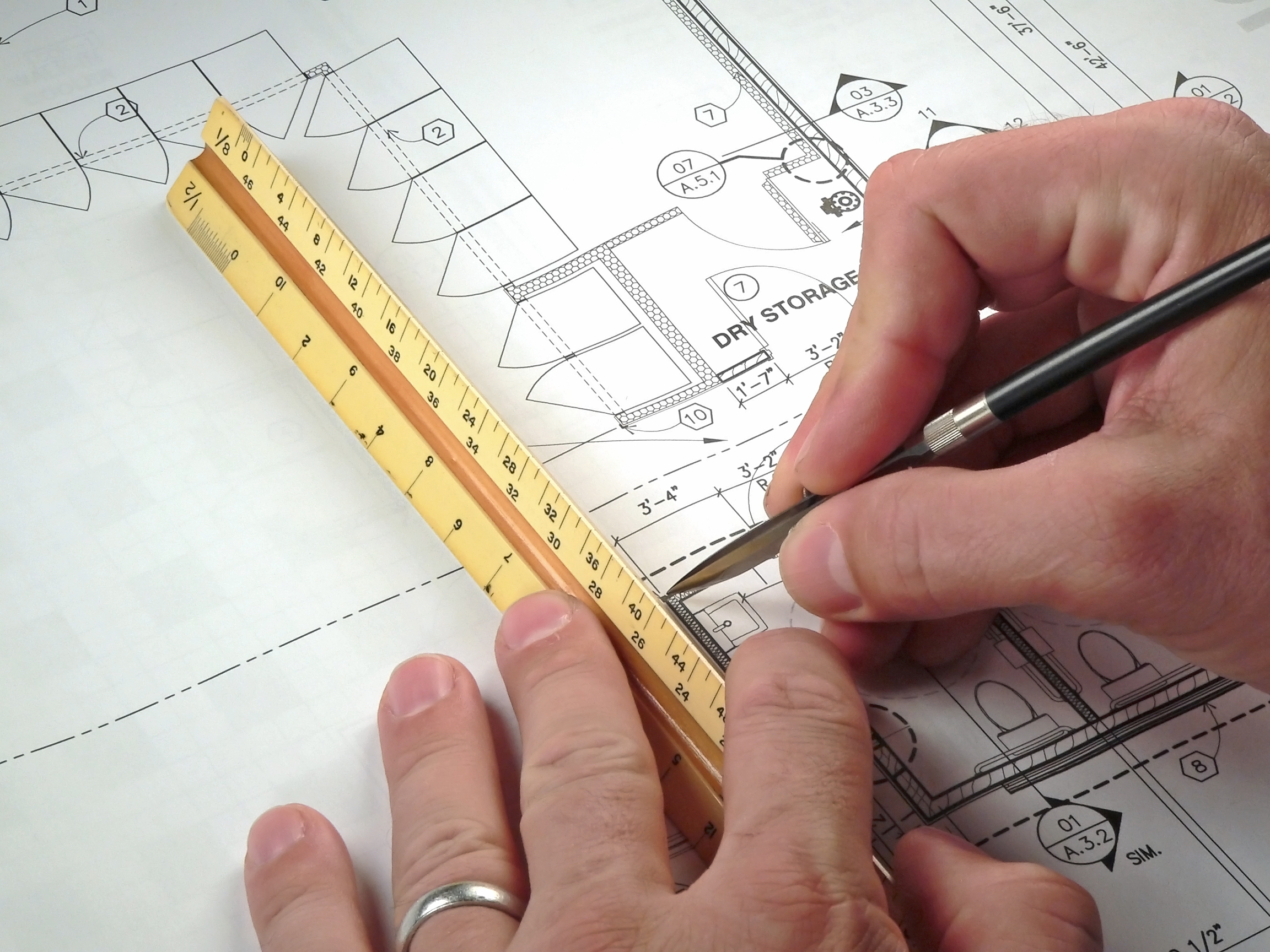
When planning a new restaurant or updating your kitchen, menu flow should guide design decisions. Every ingredient should move logically from:
receiving → storage → prep → cooking → service
Understanding your menu at this level influences:
Storage Requirements
Do items arrive fresh, frozen, bulk-packed, or pre-prepped?
Each option affects the size of your walk-ins, shelving, and freezer space.
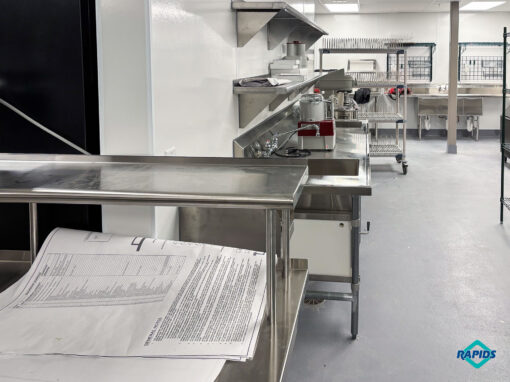
Prep Space
Menus heavy in scratch cooking need more room for peeling, chopping, marinating, and mixing.
Menus using more pre-prepped items require less prep surface and more cold storage.
Cookline Efficiency
Different menus call for different types of heat equipment, spacing, and ventilation.
A cookline should match the flow and speed of your dishes - not the other way around.
Delivery Scheduling
If deliveries arrive during service hours, you’ll need an area that can handle receiving without disrupting the dining rush.
Why This Matters When You’re Opening or Updating a Restaurant
When you’re opening or updating a restaurant, taking the time to carefully plan your menu sourcing and kitchen logistics can make a world of difference. Thoughtful planning helps you create a kitchen that operates efficiently, where ingredients move smoothly from delivery to storage to prep and finally to the cookline. It ensures that your team has the right amount of space, equipment, and workflow to handle both daily service and unexpected busy periods.
Reliable sourcing stabilizes ingredient quality, so your dishes consistently meet guest expectations, while strategic ordering and storage reduce waste and keep food costs under control. Addressing these factors early also prevents common post-opening challenges, such as overcrowded walk-ins, bottlenecks in prep areas, or delays on the cookline, which can frustrate staff and slow service.
Beyond just efficiency, planning sourcing and logistics thoughtfully supports better staff training, smoother workflows, and smarter equipment choices that align with the demands of your menu. By understanding how ingredients flow through your kitchen, you can design systems that make day-to-day operations predictable and manageable.
Success in a restaurant isn’t just about creating delicious dishes - it’s about building a system capable of delivering those dishes consistently, day after day. Menu sourcing and kitchen logistics may not always get the spotlight, but they are the quiet foundation of a kitchen that runs smoothly, supports your staff, and ensures long-term operational success.
For more information and to engage with our team, please contact us via our contact form or at (866) 503-2655. We look forward to working with you to provide the best solutions for your needs.
LET'S FIND YOUR SOLUTION
Rapids Contract & Design serves the United States with locations in Iowa, Minnesota, and Missouri. Our experts are ready to assist with your foodservice needs—contact us for support, Monday through Friday, 8 AM to 5 PM CST.
or call (800) 899-6604