
When starting a catering business or expanding an existing one, one of the most important decisions you’ll make is designing your catering kitchen. Catering kitchens are specialized spaces that allow caterers to efficiently prepare, cook, and store food in a way that complies with health regulations while supporting the needs of the business. So, what exactly is a catering kitchen, and why do you need one? Let’s dive into the essential elements of catering kitchen design and address some frequently asked questions.
What is a Catering Kitchen?
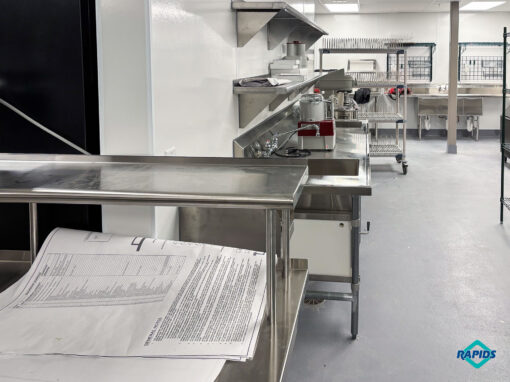
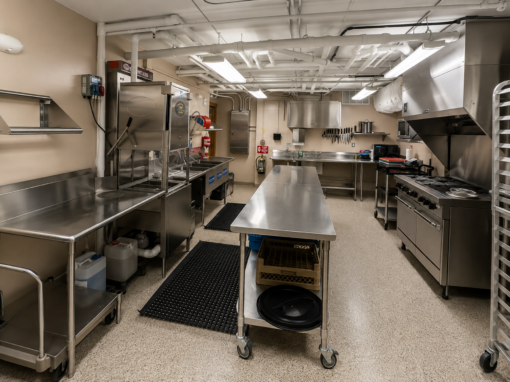
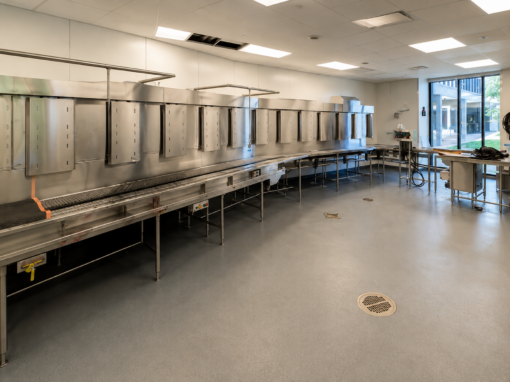
A catering kitchen is a commercial kitchen specifically designed for caterers to prepare large quantities of food for events, parties, and other functions. Unlike a regular kitchen, which is designed for smaller, everyday meal preparation, catering kitchens are equipped with specialized equipment and layout features that support bulk cooking, quick food delivery, and efficient storage. These kitchens must also meet food safety standards, which vary depending on local regulations.
A catering kitchen isn’t just about having large cooking equipment; it’s about maximizing workflow and efficiency. The kitchen layout needs to allow for smooth transitions from one stage of food preparation to another—whether that's from food prep to cooking, or from cooking to plating.

Why Do You Need a Catering Kitchen?
For caterers, having a dedicated space designed for large-scale food preparation is essential for the success of their business. A catering kitchen ensures that food is prepared safely and efficiently, and it allows businesses to meet the demands of multiple events. Without a well-designed kitchen, it would be difficult to keep up with the high volume and tight deadlines often associated with catering services.
Additionally, catering kitchens are designed to streamline operations. They feature specific zones for food prep, cooking, and washing, making it easier for staff to move efficiently through the kitchen. This layout can help you maximize space, minimize wait times, and ultimately provide better service to your clients. A well-organized kitchen also reduces the risk of cross-contamination, improves safety, and allows you to work at a faster pace.
Popular Questions About Catering Kitchens
1. Do Caterers Need a Kitchen?
Yes! A fully equipped kitchen is a must for catering businesses. A commercial-grade kitchen ensures that caterers can prepare large quantities of food while meeting food safety standards. Whether you're catering for weddings, corporate events, or private parties, a catering kitchen is essential for quality, efficiency, and compliance with local health codes.
Not only is it important for food safety, but a kitchen with the right equipment also allows for consistency in quality. With the right setup, you’ll be able to consistently produce high-quality food, no matter how many orders you’re handling at once.
2. What Do You Need in a Catering Kitchen?
A well-equipped catering kitchen includes the following:
- Cooking Equipment: Industrial ovens, stoves, and fryers are essential for preparing large meals.
- Refrigeration: Commercial refrigerators and freezers for food storage, keeping ingredients fresh and compliant with safety regulations.
- Food Prep Stations: Work tables, cutting stations, and sinks for food preparation.
- Dishwashing Area: A commercial dishwasher and sanitizing sinks for cleaning dishes quickly and efficiently.
- Storage: Shelving, cabinets, and dry storage for ingredients and supplies.
- Ventilation: Proper ventilation systems to remove smoke, steam, and odors from the kitchen, ensuring a safe and comfortable work environment.
These items form the backbone of a functional catering kitchen, allowing you to prepare meals in bulk, keep food safe, and work efficiently under tight deadlines.
3. How to Set Up a Catering Kitchen?
Setting up a catering kitchen involves several key steps:
- Space Planning: Designing the layout of the kitchen to ensure smooth movement between cooking, prepping, and washing areas.
- Equipment Selection: Choose commercial-grade equipment that fits the scale of your business and meets local health and safety regulations.
- Zoning: Divide the kitchen into specific areas (prep, cooking, storage, dishwashing) to maximize efficiency.
- Compliance: Ensure the kitchen meets local food safety regulations, including proper ventilation, sanitation, and food storage guidelines. This includes making sure you have proper permits and that the kitchen is inspected and approved by health authorities.
Your kitchen's layout is just as important as the equipment you choose. A well-thought-out design can increase productivity, reduce cross-contamination, and allow you to work more efficiently. Take time to evaluate the flow of traffic and plan out zones for specific tasks.
4. How to Start a Catering Business?
Starting a catering business involves more than just setting up a kitchen. Here’s a simple guide to help you get started:
- Research: Understand the catering market and your target customers. What services will you provide? Will you focus on weddings, corporate events, or another niche?
- Business Plan: Develop a business plan that outlines your goals, financial projections, and operational strategies.
- Licensing: Obtain all the necessary licenses and permits to legally operate your catering business in your area.
- Catering Kitchen: Design and set up your kitchen with professional-grade equipment that meets your needs. Make sure your layout is optimized for workflow and that you’re compliant with local health regulations.
- Marketing: Promote your catering business through websites, social media, and word-of-mouth to attract clients. A strong online presence can help you stand out in a competitive market.
Starting a catering business also requires an understanding of food costs, labor costs, and customer service. It’s crucial to keep your expenses low while delivering top-notch food and service.
5. Can You Use a Ghost Kitchen for Catering?
Yes! If you don’t have the space or budget for your own commercial kitchen, renting a ghost kitchen can be a great alternative. Ghost kitchens are commercial kitchen spaces designed for food production without a dine-in area. They offer a cost-effective solution for caterers, providing access to professional-grade equipment, storage, and prep areas without the high costs of building or leasing a full kitchen.
Ghost kitchens allow caterers to scale their business while minimizing overhead expenses. They are especially useful for startups or small catering businesses that need a flexible and fully licensed space to operate. Many ghost kitchens are available for short-term or long-term rental, making them an excellent option for businesses that experience seasonal demand.
Designing and setting up your catering kitchen is a crucial step toward building a successful catering business. With the right equipment, layout, and attention to food safety, you can create a kitchen that supports your business’s growth and efficiency. Your kitchen is the heart of your operation, and investing in the right design and equipment will help your business thrive.
At Rapids Foodservice Contract & Design, we specialize in creating customized catering kitchen designs that fit the needs of your business. If you have any more questions or want to learn more, feel free to contact us today!
LET'S FIND YOUR SOLUTION
Rapids Contract & Design serves the United States with locations in Iowa, Minnesota, and Missouri. Our experts are ready to assist with your foodservice needs—contact us for support, Monday through Friday, 8 AM to 5 PM CST.
or call (800) 899-6604