

Choosing the best location for your restaurant is one of the biggest decisions you’ll make - one that affects your visibility, operating costs, workflow, and long-term success. Whether you're launching a delivery-driven concept, planning a cozy dining atmosphere with outdoor seating, or building a production-heavy kitchen, the right site can accelerate growth and prevent costly surprises down the road. Below are essential considerations to guide your restaurant location strategy and help you feel confident before committing to a space.
Match Your Location to Your Concept
Your restaurant concept should guide nearly every location decision you make. Different concepts thrive in different environments, and choosing a space that naturally supports your service model will save time, money, and operational headaches.
Delivery-Focused Concepts
For delivery-driven restaurants or ghost kitchens, quick access to major intersections, highways, or dense residential neighborhoods is essential. The faster drivers can get on the road, the more efficient your delivery times - and the more orders you can fulfill during peak hours.
Outdoor Dining Concepts
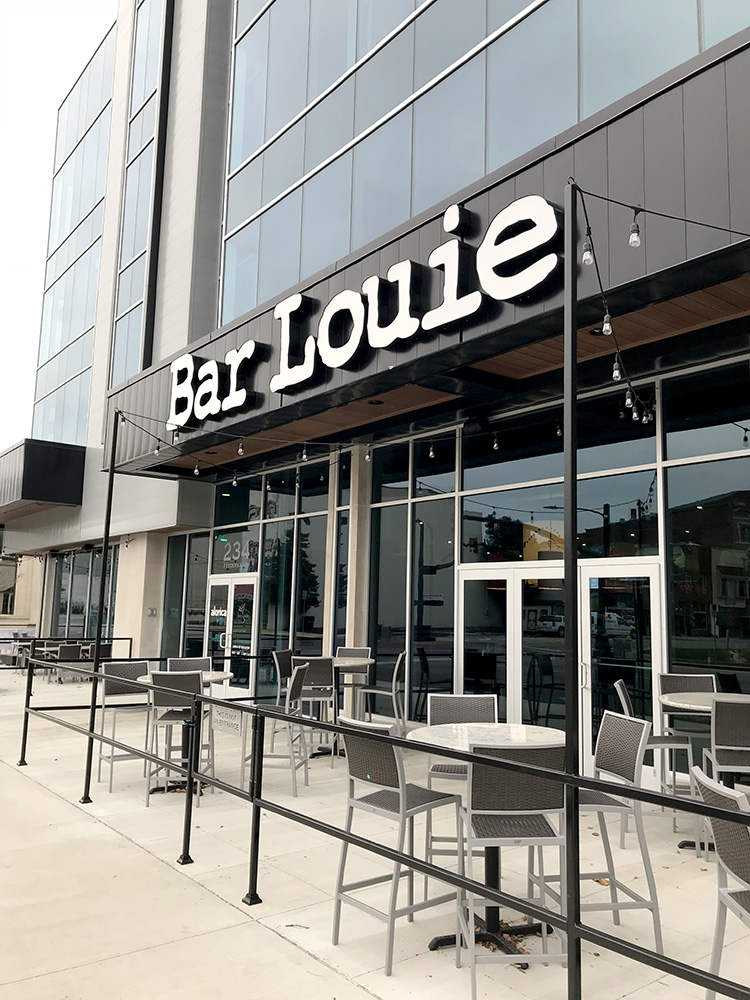
Restaurants built around ambiance and outdoor seating often thrive in walkable districts, mixed-use developments, or neighborhoods with strong foot traffic. Patio-friendly locations with comfortable pedestrian areas, shade options, and visual appeal help create the intimate atmosphere guests enjoy.
Quick-Service & Fast-Casual Concepts
These concepts depend heavily on visibility and convenience. Look for locations with strong street exposure, daily traffic patterns, and easy parking or drive-thru opportunities. Being near retail centers, universities, or office clusters can significantly boost walk-in volume.
Full-Service & Casual Dining
Full-service concepts benefit from areas that encourage longer stays - neighborhood districts, entertainment corridors, lifestyle centers, or destinations where people naturally gather. Ample parking, evening traffic, and complementary businesses (like cinemas, breweries, or boutiques) help increase visits.
Coffee Shops & Breakfast Concepts
Morning-driven concepts do best on the “morning commute side” of the road for easy pull-in access. Proximity to offices, medical centers, schools, and residential zones is ideal. Walkability is also a major advantage for cafés and bakeries.
Bars, Breweries & Late-Night Concepts
These concepts thrive in nightlife districts, downtown areas, and walkable neighborhoods where guests can easily bar-hop or gather. Noise ordinances, parking availability, and proximity to event venues or entertainment hubs all play a role.
Leasing vs. Owning: Which Is Better for Your Restaurant?
Your approach to acquiring a building plays a major role in how easily you can adapt the space to your operational needs.
Leasing
Leasing is often the most accessible option for new concepts thanks to lower upfront costs and greater flexibility. But with flexibility comes the need for good communication with the landlord. Before signing a lease, confirm:
- What mechanical, electrical, and plumbing capacity already exists
- Whether you’ll be allowed to add or modify ventilation
- If a Type I ducted hood can be installed - or if you’ll need ventless equipment
- Responsibilities for improvements (tenant, landlord, or shared)
Many restaurateurs discover too late that adding a hood, expanding power supply, or modifying the layout is restricted by building limitations or lease language. Address these topics early to avoid unexpected design or equipment adjustments.
Owning
Owning gives you full control - ideal for long-term plans or concepts that require major infrastructure. You can design the kitchen around your production needs, plan for future growth, and make structural changes without negotiation.
However, the initial investment is higher, and location flexibility decreases once you own the property. For some operators, buying a building is the right move; for others, leasing allows for more adaptability as the concept evolves.
Key Lease Negotiation Tips for Restaurant Operators
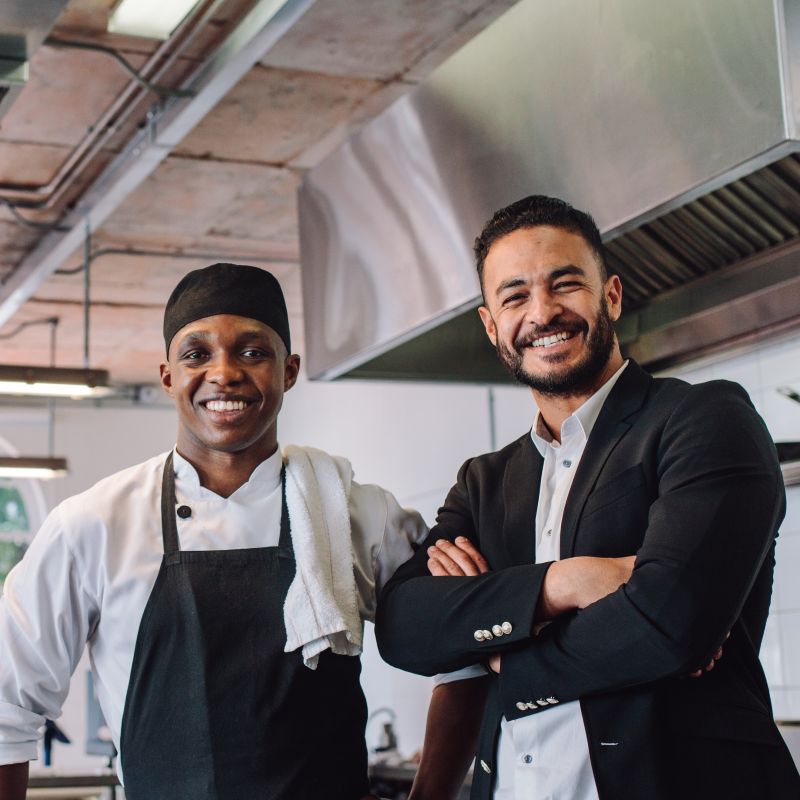
Negotiating a commercial lease is more than discussing rent—it’s about securing the terms that allow your restaurant to thrive. Before signing:
- Request a tenant improvement allowance if the space needs substantial upgrades.
- Negotiate a realistic build-out period so rent doesn’t begin before your kitchen is operational.
- Confirm permitted use language so there are no restrictions on your concept.
- Ask about exclusivity clauses to prevent similar concepts from opening in the same complex.
- Review HVAC, gas, and electrical capacity to ensure the space can support your menu and equipment.
A good restaurant location should support your operations - not restrict them. Clear agreement on improvements, timelines, and responsibilities makes a major difference during construction and beyond.
Additional Factors That Influence Restaurant Location Success
1. Visibility and Access
Even with strong digital marketing, physical visibility still matters. Corner units, end caps, and locations with clear sight lines gain more natural traffic. Easy access—turn lanes, parking options, and simple entry/exit routes—also increases convenience for guests.
2. Demographics and Demand
Understanding who lives and works in the area helps determine whether your concept fits the neighborhood. Analyze daytime vs. evening population, income levels, and nearby businesses. A breakfast-heavy concept thrives near offices, while dinner-focused restaurants perform better in residential or nightlife-driven zones.
3. Zoning, Permits, and Local Requirements
Confirm that your intended use aligns with zoning regulations. Some municipalities require additional reviews or permits for ventilation, grease interceptors, or outdoor seating. Early awareness prevents delays during design and build-out.
4. Competition and Complementary Businesses
Competition isn’t always bad—it can signal strong demand. But too much overlap can create difficulty. Also note complementary businesses: coffee shops near offices, bakeries near fitness centers, or fast-casual near retail hubs can all benefit from shared foot traffic.
Bringing Your Restaurant to Life With the Right Facility
Choosing the best location for your restaurant involves combining data, concept clarity, operational needs, and long-term planning. A thoughtful site selection strategy can reduce construction costs, streamline your kitchen design, and improve overall profitability from day one.
If you’d like help evaluating a space, reviewing MEP capacity, or planning a kitchen layout that fits your location, Rapids Contract & Design Team is here to support you from concept through construction.
For more information and to engage with our team, please contact us via our contact form or at (866) 503-2655. We look forward to working with you to provide the best solutions for your needs.
LET'S FIND YOUR SOLUTION
Rapids Contract & Design serves the United States with locations in Iowa, Minnesota, and Missouri. Our experts are ready to assist with your foodservice needs—contact us for support, Monday through Friday, 8 AM to 5 PM CST.
or call (800) 899-6604