
Launching a restaurant is exciting - but it takes more than great food and creativity to thrive. Whether you're opening your first café or expanding an established brand, a detailed restaurant business plan is one of the most powerful tools you can create.
While it’s often thought of as just a requirement for securing funding, a business plan is much more than that. It helps shape your concept, define your strategy, and anticipate potential challenges - giving you a roadmap to follow long after your doors open.
Why Your Restaurant Needs a Business Plan
Writing a business plan forces you to take your concept from idea to execution. It helps you identify strengths, expose weak points, refine your operations, and set realistic goals.
In the long term, your business plan acts as a reference tool to keep your team focused and accountable. Whether you're trying to attract investors or simply stay on track with your own vision, having a structured plan gives you the foundation to build a profitable and sustainable business.
What to Include in Your Restaurant Business Plan
Here’s a breakdown of the key sections every restaurant business plan should include:
1. Executive Summary
An introduction to your concept and your purpose for writing the plan. Keep it concise but compelling.
2. Company Description
Detail your ownership structure, legal setup, location, building or lease information, and initial funding sources.
3. Concept Overview
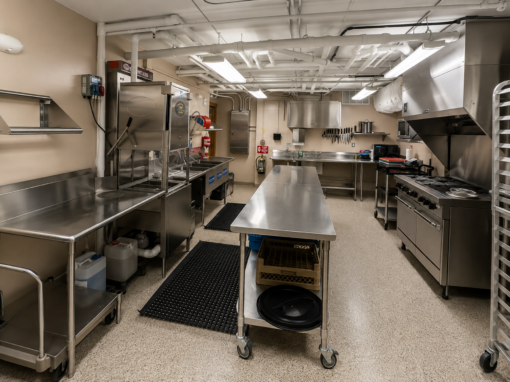
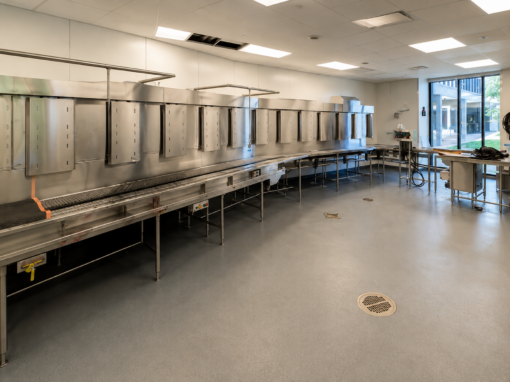
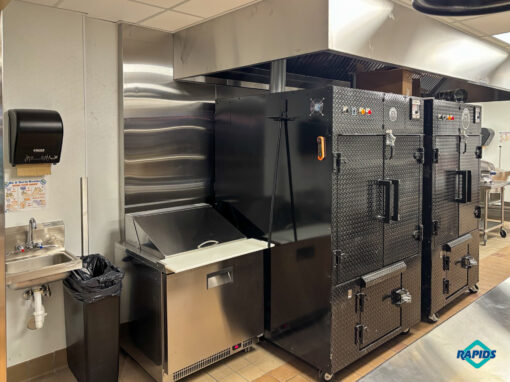
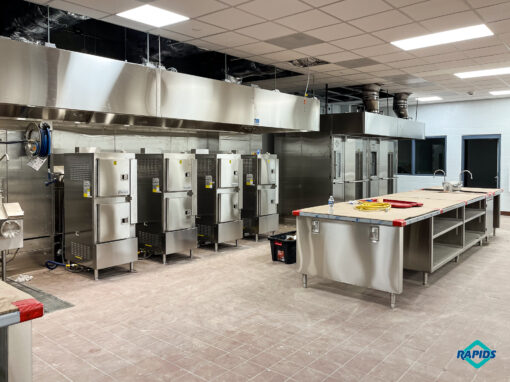
Describe the type of restaurant you're opening, your menu, service style, theme, hours, and seating capacity. Include any additional services like delivery or catering. Attach your menu and a layout of both the front-of-house and kitchen, including equipment placement.
4. Management Team
Outline the experience of key team members (owner, GM, chef, etc.) and include summaries of employment or confidentiality agreements. Full contracts should go in the appendices.
5. Market Analysis
Showcase your industry research, including market trends, target demographics, and competitive landscape. Include charts or graphs and cite reputable sources. Conduct a location analysis and provide a breakdown of similar restaurants in your area.
6. Marketing Strategy
Detail your plan to attract and retain customers - branding, advertising, online presence, loyalty programs, partnerships, and PR. Be specific.
7. Operations Plan
Outline your daily operations: staffing plans, training programs, customer service standards, supply chain logistics, vendor partnerships, software systems (POS, inventory, timekeeping), accounting procedures, and more. If needed, the Rapids Foodservice Contract & Design team can help guide these foundational decisions.
8. Investment & Ownership Structure
Break down capital contributions, ownership shares, and anticipated returns. Include an equity analysis to explain how investors may benefit.
9. Growth Plan & Exit Strategy
Explain how your business will scale over time. Include your strategy for opening new locations, expanding your services, or offering investor buyouts.
10. Financial Projections
This section is vital. Support each figure with logic and, where appropriate, attach worksheets in the appendices. Include:
- Startup Budget with itemized costs (equipment, buildout, supplies, etc.)
- Sales Projections for a typical week and over time
- Labor Budget detailing staffing by role and compensation
- Year 1 Income Statement & Cash Flow
- Years 1–5 Summary Financials
- Break-even Analysis
- ROI Projections
11. Appendices
Use this section for menus, layout diagrams, contracts, financial worksheets, and data sources. If it supports your plan, include it.

After the Plan: Set a Timeline & Research Contractors
Once your plan is complete, don’t file it away. Use it to build a launch and growth timeline. Set monthly or quarterly checkpoints to evaluate whether your goals are on track - and make adjustments as needed.
If your concept involves any construction or renovation, the next step is to identify and connect with a general contractor. This is especially important before foodservice design begins - coordinating building timelines with kitchen layout and equipment planning helps ensure a smoother, more efficient project. While this may not be necessary if your building is already finished, having a contractor in place early avoids costly delays down the road.
Once you’ve narrowed down your selection of potential construction contractors, the Rapids Contract & Design team can step in to help you execute your culinary vision - bringing together layout, equipment, and workflow into a cohesive plan.
Need Support?
Writing a detailed restaurant business plan may feel overwhelming, but you don’t have to do it alone. The Rapids Contract & Design team can help you align your operations with your vision - whether you're designing a kitchen, refining workflows, or planning your equipment layout.
Let us help bring your culinary creativity to life.
For more information and to engage with our team, please contact us via our contact form or at (866) 503-2655. We look forward to working with you to provide the best solutions for your needs.
LET'S FIND YOUR SOLUTION
Rapids Contract & Design serves the United States with locations in Iowa, Minnesota, and Missouri. Our experts are ready to assist with your foodservice needs—contact us for support, Monday through Friday, 8 AM to 5 PM CST.
or call (800) 899-6604